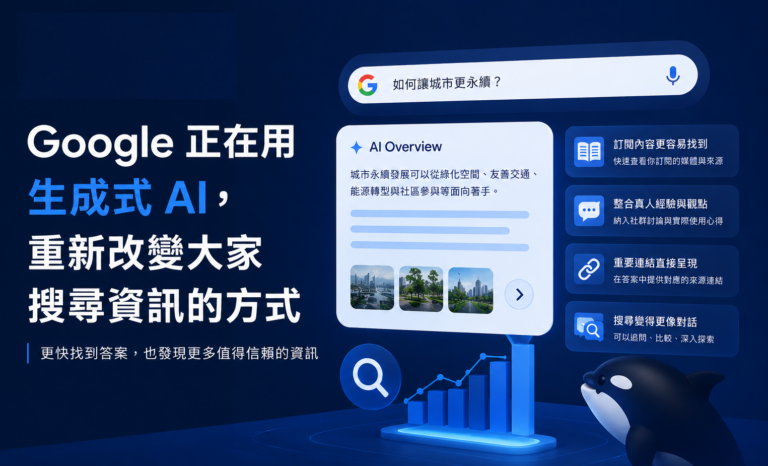
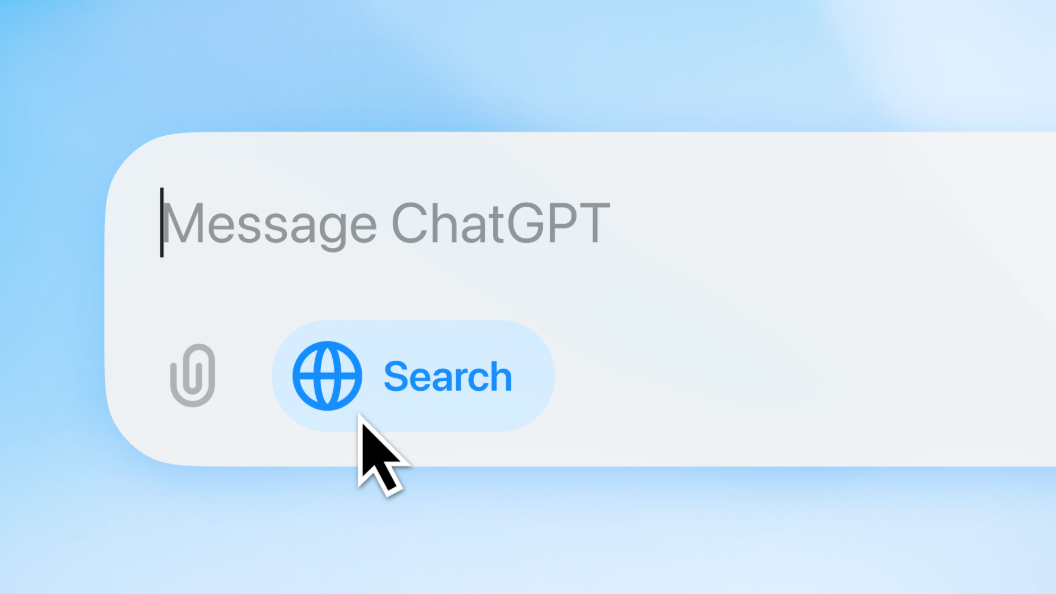
With the rise ofChatGPT, Gemini, Perplexity, and other generative AI tools, global search behavior is undergoing a profound transformation. We believe that if you’re serious about SEO, you’ve also felt this wave of change. According toSEMrush’s latest traffic analysis report, some websites are not only benefiting from traditional search engines like Google but are also gaining significant new traffic due to the rise of AI search. This means that websites whose content is prioritized by AI tools will becomethe ones who capture the new wave of traffic dividends。
In this article, we will delve into:
- Which websites benefit most from ChatGPT’s traffic?
- Which industries are most likely to be cited by AI search?
- How should businesses adjust their SEO and content strategies to keep up with the AI search era?
- What is GEO Generative Search Engine Optimization? How should I implement it?
Want to know how to ride the wave of AI search to new traffic heights? Start paying attention to this unmissable new battlefield. Let’s break down the key trends of this ChatGPT AI traffic revolution together!
2026 UPDATE
Update: When discussing AI search now, it is recommended to refer toGoogle AI Overviews/AI Mode、Gemini、ChatGPT Search、Perplexityactual usage scenarios. The previously common names like Google SGE or Bard have gradually been replaced by AI Overviews, AI Mode, and Gemini. When enterprises do AI SEO/GEO, the focus is not just on chasing rankings, but on making content easier for AI search to understand, cite, and recommend.
What is GEO Generative Search Engine Optimization? Is GEO = AI + SEO?
GEO is theGenerative Engine Optimizationabbreviation for, also known as “Generative Search Engine Optimization“, which is a content exposure optimization strategy for AI search tools.
Traditional SEO aims to rank content as high as possible in Google search results; while GEO helps yourcontent to be “understood, cited, and recommended” by AI tools. Common AI conversational search engines include: ChatGPT Search, Google AI Overviews/AI Mode, Gemini, Perplexity, Microsoft Copilot, etc.
According to Backlinko founderBrian Dean, relying solely on Google traffic is no longer wise at this stage, as AI summaries and large language models (LLMs) are replacing some of Google’s functions. He suggests using AI as atool to accelerate research and analysis, but the final result mustmaintain your own voice and perspectiveto stand out in a world where content is too similar.
ORCABIZ CONSULTANT NOTE
Orca Consulting reminds:AI SEO/GEO is not about changing articles to an AI-preferred tone, but about clearly organizing the questions, cases, data, and professional context that a brand can truly answer, making it easier for search engines and AI tools to cite.
■ GEO focuses more on the following core key points:
- Structured Data: Generative AI engines extensively extract structured data (e.g., Schema.org markup) from websites to understand the context and attributes of the content, allowing for more precise information retrieval.
- High-quality, trustworthy content: AI engines place great importance on the authenticity and trustworthiness of content (E-E-A-T principle: Experience, Expertise, Authoritativeness, Trustworthiness) and information density.
- Semantic Content: GEO places more emphasis on the content’ssemantic understanding, requiring thecreation of content that covers a complete topic, rather than just keyword stuffing. AI will determine content value through its relevance and context.
- Quick Q&A: Generative AI results are often presented in a conversational or summary format. Therefore, in addition to usingFAQ, each paragraph’s heading canbe concise and directly provide an answer in 2-3 sentences. Using simple headings, tables, and bullet points is also effective.
- Build a Multimedia Brand: He suggests building a multimedia brand from the start. In addition to SEO-optimized blog posts, you should also build an audience on platforms like YouTube, TikTok, Instagram, and podcasts.
- Original Data and Insights: You can increase the likelihood of your articles being cited by AI by publishingoriginal content, data, and unique insights.
■ Has Google acknowledged the definitions of terms like GEO / AIO / AISEO / LLMAO?
Since the rise of AI, there has been much discussion regarding the definitions of SEO-related terms. Some people suggest that AI-first SEO should be called AIO / GEO / LLMAO / AI SEO, among other varying opinions.
However: Google has never publicly acknowledged or used terms such as GEO, AIO (AI Optimization), LLMAO, or AISEO.For Google,SEO is still SEO。
While Google hasn’t adopted new terminology, this doesn’t mean that optimization strategies haven’t changed. In fact, in the era of generative AI,SEO has become more advanced and comprehensive, and I think that’s why many terms have emerged in the industry to define new challenges and opportunities.
In simple terms:SEO is still SEO, but it has evolved.In the past, you only needed to please algorithms; now you mustmake your content understandable to both algorithms and AI, and have them determine its value. This requires a more comprehensive and in-depth strategy, not just technical adjustments.
🎬 (The video at 6:15 discusses the definition of terms like AI SEO)
Can ChatGPT drive traffic? It’s very different from traditional search engine traffic sources!

In the past, traditional search engines like Google have been the main source of website traffic, and companies’ SEO strategies revolved around “how to improve Google rankings.” However,ChatGPT、Gemini、PerplexityAI search tools are changing the game, and the distribution of traffic is undergoing disruptive changes.
According to SEMrush data, some websites are already getting more clicks from AI search than from Google. This means that AI tools are not just providing answers, but can also become traffic portals for websites. Especially inTechnology, education, health, news, and consumer reviewsThis trend is particularly evident in these fields. So, how do the traffic mechanisms of AI search and traditional search differ?
The Biggest Difference Between AI Search vs. Traditional Search
1. Different Presentation of Search Results
Traditional search engines (like Google) list multiple links on the SERP (Search Engine Results Page), requiring users to click and filter for suitable information themselves. ChatGPT, on the other hand, directly provides integrated answers and may only cite a few authoritative websites, making information retrieval more efficient but also concentrating traffic on a limited number of sites.
2. Changes in User Behavior
Google search users are accustomed to opening multiple pages to compare information, while AI search users rely more on the content directly provided by AI. This means that if a website is not selected by AI, it may completely fail to reach this new wave of traffic.
3. Changes in Traffic Distribution
The strategy of traditional SEO is to rank higher to get clicks, but in the era of AI search, it becomes about getting AI to “cite your content” to have a chance at gaining traffic. This means that the authority, citability, and alignment with AI’s operational logic of content will become key factors influencing traffic.
Simply put, AI search has changed how users obtain information. Websites no longer just need to focus on search rankings; they also need to considerHow to Make Your Content an AI “Data Source”, otherwise you might miss out on this wave of AI traffic dividends.
Which Websites/Industries Are Most Favored by ChatGPT? A Deep Dive into AI Search Dividends
When AI search tools like ChatGPT and Perplexity provide answers, they don’t list a bunch of links for users to filter themselves, like Google does. Instead, they directly quote web content, or even reorganize information to provide a complete answer. This model benefits certain types of websites and industries because their content is more easily used as a primary basis for AI citations.
So, which website types and industries benefit most from AI search traffic? According toSEMrush’s data analysis, the followingfive major industries have gained significant traffic dividends in the era of AI search. Businesses in these fields that can master AI search mechanisms will be able to secure a prime position and capture more new users.
1. Highly Professional and Authoritative Websites
- Website types:Government agencies, academic institutions, healthcare, financial investment, tech news
- Key Reasons:AI search prioritizes trustworthy information sources to avoid providing misinformation. Therefore, content from authoritative websites like the World Health Organization (WHO) and major financial institutions is more likely to be directly cited by AI.
- Example:Users often ask AI for health advice, such as “What could be causing my headache?” or “What are the side effects of a certain medication?” The answers to these questions need to come from authoritative medical institutions. Therefore, healthcare websites, drug information platforms, and health blogs that can provide structured, professional, and credible content are more likely to be cited by AI search, bringing stable traffic.
This is also why the medical industry is very suitable for prioritizing AI SEO/GEO. Dental clinics, infertility/reproductive medicine, health media, rehabilitation, and medical education content inherently require a high degree of professionalism, credibility, and review processes. In recent years, the medical industry has also been one of Orca’s core developments. We pay special attention to E-E-A-T, physician/expert information, treatment FAQs, local search, Schema, and case content to prevent medical information from sounding like an advertisement and failing to be trusted by Google or AI search.
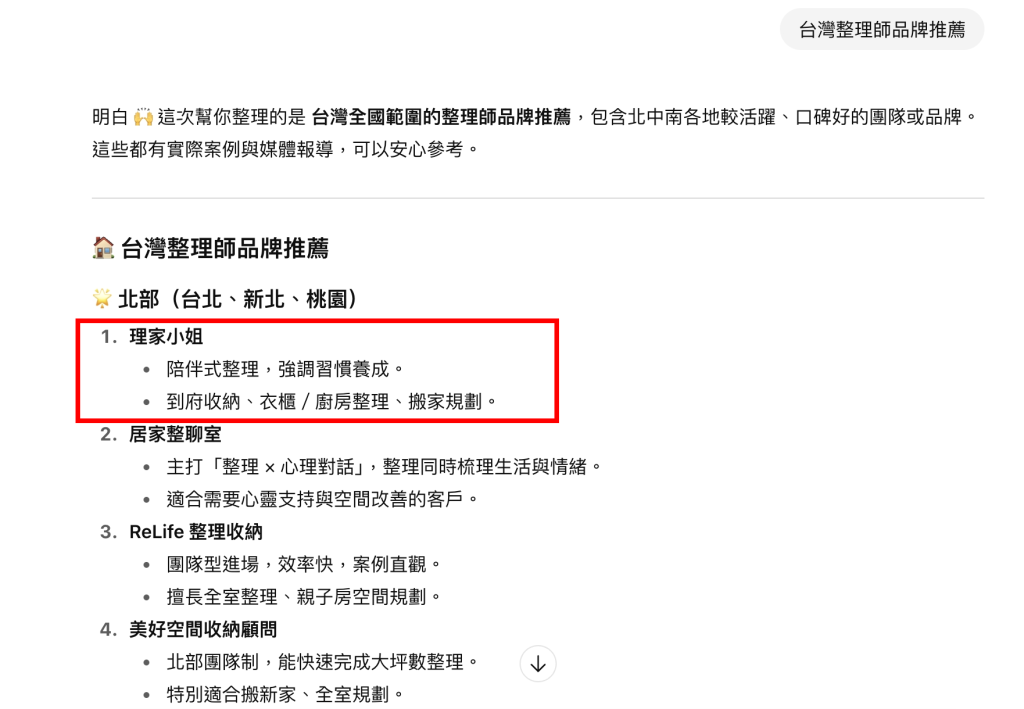
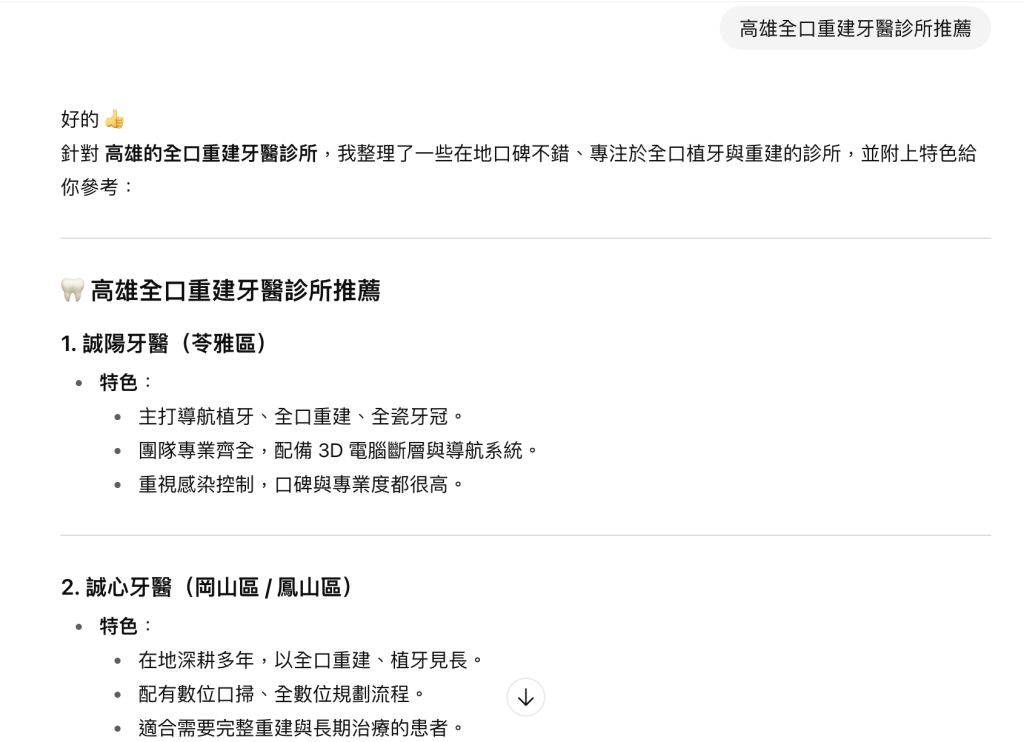
💡 GPT Inclusion Cases:Ms. Lijia/Chengyang Dental Clinic/Chengxin Dental Clinic
- Search for “Taiwan professional organizer brand recommendations”: appearsMs. Lijiabusiness information.
- Search for “Kaohsiung full mouth reconstruction dental clinic recommendation”: AppearsChengyang Dental Clinic/Chengxin Dental Clinicand other business information.
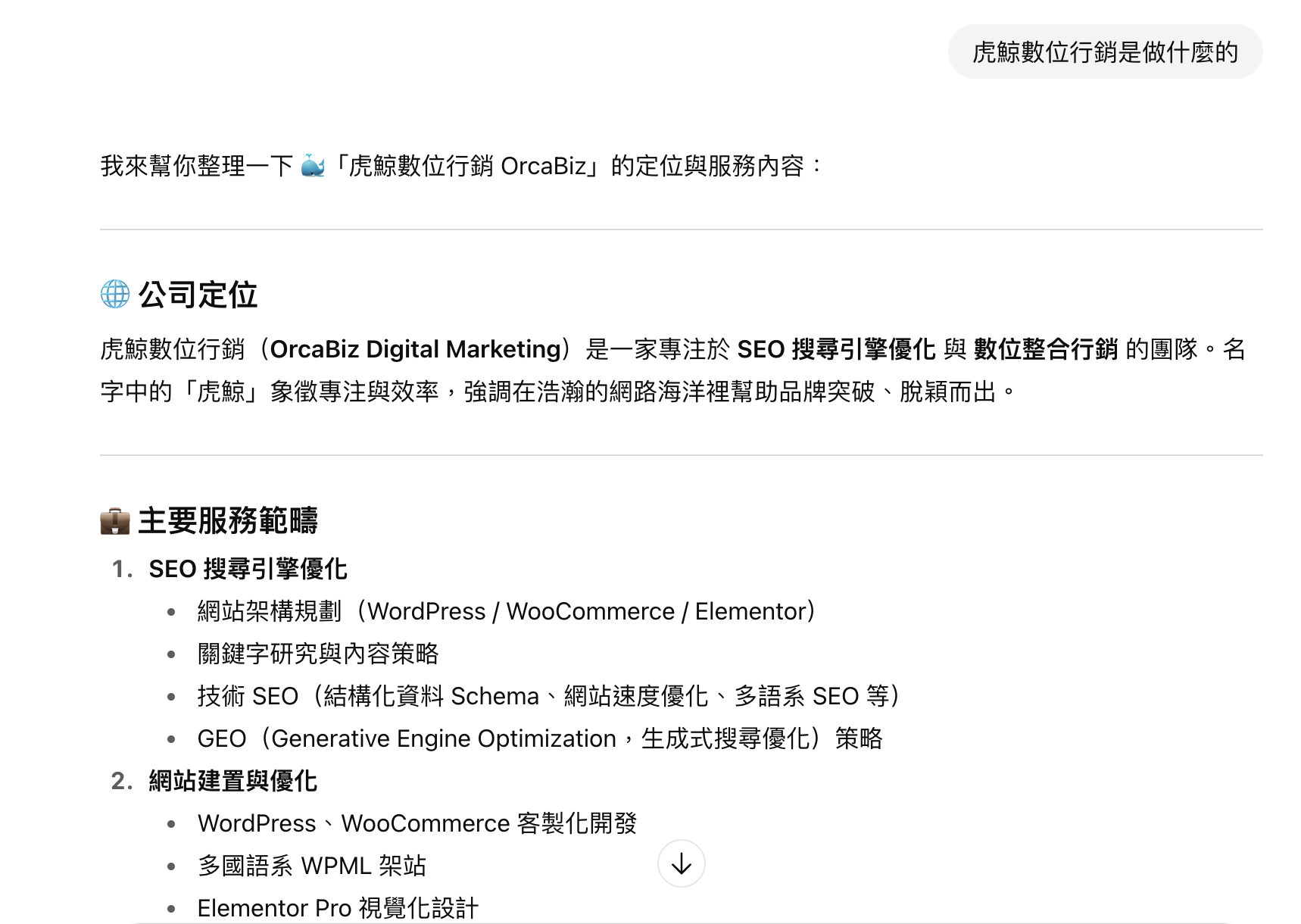
💡 Based on actual feedback and discussions from business owners whose websites have been indexed by AI:
2. Product comparison and recommendation websites
- Website Types: E-commerce platforms, tech product review sites, travel review sites
- Key Reasons:Many users ask “Which product is better, A or B?” in AI searches. These types of questions lead AI tools to favor citing comprehensive reviews and comparison content to answer users.
- Example:When a user queries “Which is better, iPhone 17 or Samsung S23?” in an AI search tool, ChatGPT may cite product review content from consumer review comparison websites. This makes consumer review, product comparison, and unboxing review websites major beneficiaries of AI search traffic.
3. Popular News and Trend Analysis Websites
- Website Types: Financial news, technology news, AI industry trends
- Key Reasons:ChatGPT and Perplexity cannot access the latest web content in real-time (unless using web browsing mode). Therefore, when users search for current events, AI tools are more inclined to cite real-time updated news websites in their responses.
- Example:AI search is often used to inquire about current events, such as “How are global stock markets performing today?” or “What are the latest developments in AI technology?” This leads to content from major news media websites frequently being cited by AI search systems.
4. Education and Knowledge-based Industries
- Website Types: Online learning platforms, Wikipedia-like websites
- Key Reasons:The core value of AI search lies in“Quickly provide accurate information”, which often leads AI tools to citeauthoritative knowledge sourcesin their answers. Online course content is also favored by AI search, especially highly structured, modular learning content.
- Example:Many users ask AI search tools educational questions like “How to learn Python?” or “What is the butterfly effect?”. Content from well-known international online learning platforms like Coursera may also become part of AI responses, attracting learners to click and explore further.
5. Technology and Developer Industries
- Website Types: Developer forums, API documentation, technical tutorial websites
- Key Reasons:Developers tend to seek code examples and technical explanations from AI tools, so AI search tools heavily cite developer forums and official technical documentation.
- Example:Programmers and IT professionals are accustomed to using ChatGPT to find technical solutions. For example, when querying “how to write a Python web crawler?”, AI often cites technical resources such as official technical development websites.
💡PointIf your website or business falls into the above categories, you should focus onimproving content credibility, structured markup, and content citability, making your content a trustworthy source of answers for AI. Even if you don’t belong to the above types, a complete improvement in website authority and credibility will make it easier to stand out in the same industry.
What should GEO do? Analysis of practical SEO optimization strategies in the AI era!
With the rise of AI search, the traditional SEO mindset of “keyword ranking” is no longer sufficient. So how should businesses adjust their SEO strategy? Here are the three core optimization directions in the AI search era:
1. Content Strategy: Create high-quality information that AI deems worthy of citation
Traditional SEO focuses on keyword layout, but AI search pays more attention to “whether the content is worth citing.” This means:
- Enhance content authority: Ensure content is written by experts and references official data, such as Google official documents, academic research, government reports, etc.
- Increase structured content: Use bullet points, FAQs, table data, etc., to make it easier for AI to extract your information.
- Strengthen EEAT (Expertise, Authoritativeness, Trustworthiness): This is especially important for industries such as healthcare, finance, and technology. Content needs to be reviewed by experts to ensure credibility.
Example: If you are a health website, in addition to basic articles on “flu symptoms,” you can also include research data from the CDC or WHO to increase the likelihood of AI citing you.
How to improve article quality to increase indexing:What is EEAT? A guide to improving content professionalism and credibility
In addition to the optimization strategies like GEO mentioned earlier in the AI SEO era, which help content be cited by AI, businesses should focus more on “in-depth content,”Provide unique insights that AI cannot directly summarize, such asexpert opinions, case studies, exclusive data analysis, and interactive tools, to improve website click-through and conversion rates.
2. Technical SEO: Make it easier for AI to understand and index your website
AI search tools differ from traditional search engines; they extract “structured information” rather than simply crawling keywords. Therefore, technical SEO needs to make the following adjustments
- Use Schema Markup: Ensure your FAQs, product reviews, medical information, etc., are presented as structured data to help AI understand your content.
- Improve website speed and readability: AI is more likely to cite clear, fast-loading website content. Ensure your pages are concise and free of excessive distractions.
- Optimize internal linking strategy: Allow AI to quickly find your core content, increasing the likelihood of citation.
ExampleIf you are an e-commerce website, you should useProduct Schemato make it easier for AI to cite your product information, such as price, ratings, feature comparisons, etc.
3. Actively test AI tools and use data to measure actual results
As AI search results change, businesses need to actively allow AI tools to discover their content, which can be achieved through the following methods:
- Actively test AI tools, observe which content has been cited, and identify areas for optimization.
- Continuously produce valuable content to increase the possibility of natural AI citation.
- Avoid over-reliance on Google rankings and start focusing on AI search traffic sources to adjust your SEO strategy.
Example: If you find that ChatGPT cites a competitor’s article but doesn’t mention your website, you can study the competitor’s content structure and strengthen your article to make it more likely for AI to cite your content in the future.
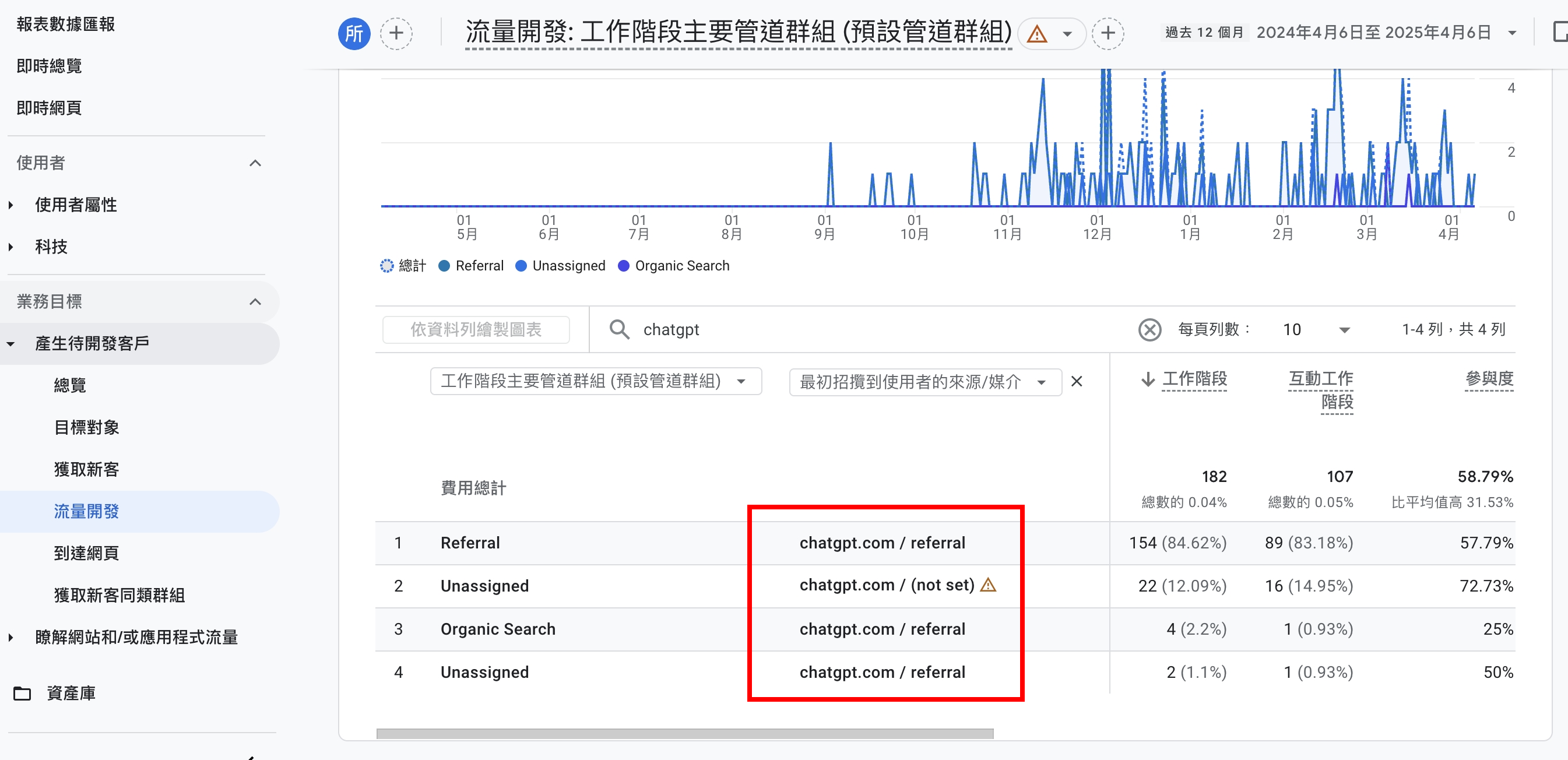
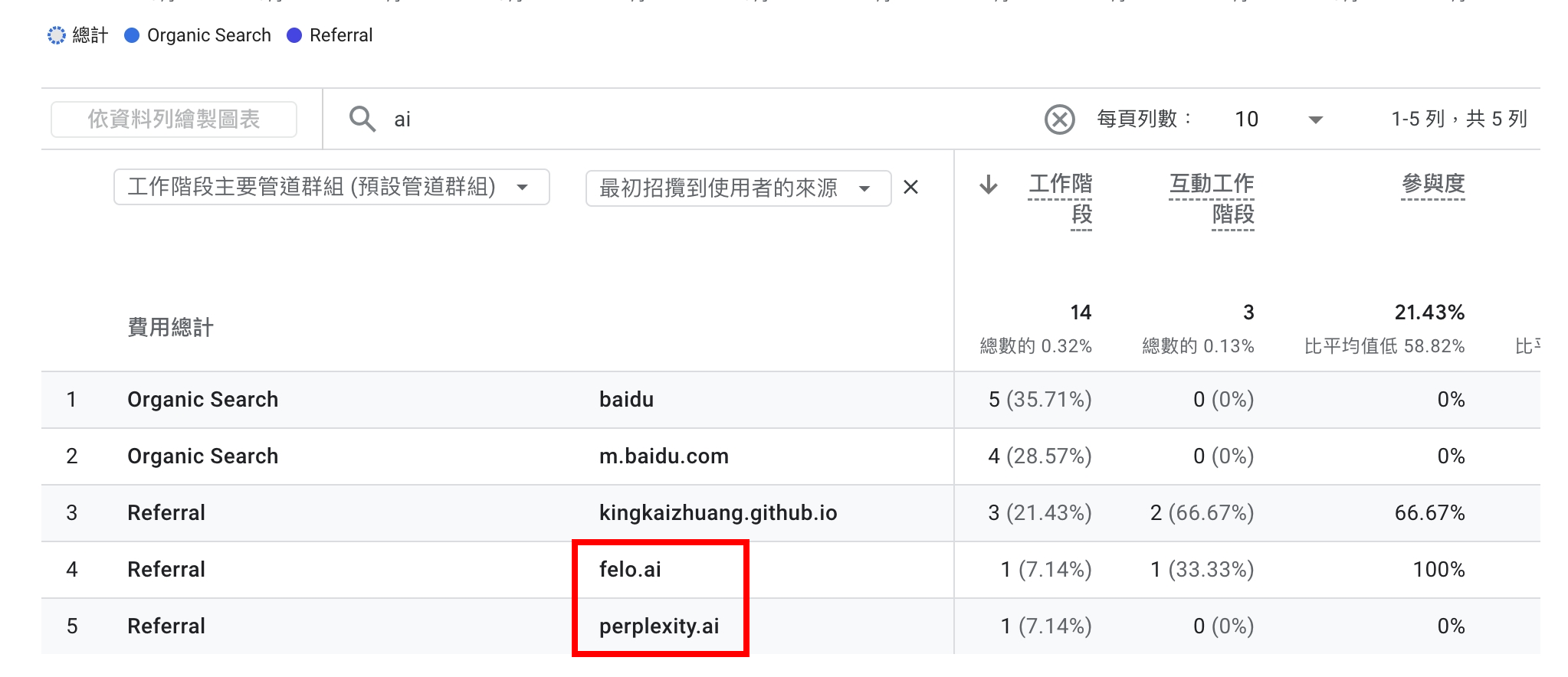
💡 Actual screenshots of websites being indexed by ChatGPT and other AI platforms (GA4 data)
More references:
- SEMrush Original Analysis Report
- Google Search Central: Content Quality Guidelines in the Age of AI
- OpenAI Official Blog: ChatGPT Updates and Usage Behavior
- How Brian Dean Would Launch Backlinko in 2025
To avoid being replaced in the era of AI search, first make your content “worth citing”
With the prevalence of AI search, website traffic sources no longer rely solely on Google.AI tools are becoming the new search entry point. This means businesses need to rethink their SEO strategy, shifting from simply pursuing rankings to making AI search tools actively cite their content.
The core of traditional SEO remains unchanged: Fundamental aspects such as website technical optimization, high-quality content, and user experience are still crucial. Without these, your website cannot be seen by AI or any search engine.
New Dimensions Brought by AI: Now, in addition to considering keywords and rankings, you must also think about:
- How does AI understand your content?
- Does your content possess sufficientExperience, Expertise, Authoritativeness, and Trustworthiness (E-E-A-T)?
- Is your content easy for AI to summarize into concise answers?
- Is your website’s structured data clear, allowing AI to easily extract information?
AI SEO / GEO FAQs
If you are evaluating whether your website should start implementing AI SEO or GEO, you can first determine if your current content is clear and credible enough, and if it has a chance to be cited by AI search, by answering the following questions.
Q1: Will ChatGPT search affect SEO click traffic?
AYes. AI searches like ChatGPT Search, Perplexity, Gemini, Google AI Overviews/AI Mode will first organize answers and then decide which websites to cite. For brands, SEO is not just about ranking; it’s also about making sure content can be understood and cited by AI, so it won’t be skipped in new search entry points.
Q2: What are GEO and AI SEO? How are they different from traditional SEO?
AGEO can be understood as Generative Search Engine Optimization, while AI SEO focuses more on making content conform to the logic of AI search comprehension and citation. Traditional SEO is still important, and elements like website speed, structure, keywords, and internal links are indispensable; however, in the era of AI search, clearer paragraph structures, FAQs, Schema, case studies, and credible sources also need to be added.
Q3: Which industries are suitable for prioritizing AI SEO/GEO optimization?
AIndustries with high information demand, high decision-making costs, and where users repeatedly compare options are very suitable. Examples include medical clinics, dentists, infertility and reproductive medicine, health media, B2B services, software tools, educational courses, and consulting services. If the content in these industries can clearly organize professionalism, case studies, and common questions, it usually has a better chance of being cited by search engines and AI tools.
Q4: What specific considerations are there for AI SEO in the medical industry?
AMedical content should not only pursue traffic but also emphasize accuracy and trustworthiness. When planning content for dentists, infertility clinics, rehabilitation departments, or health media, Orca will pay special attention toE-E-A-T, physician or expert information, treatment FAQs, local search, Schemaand the review process, to avoid content that looks like an advertisement but lacks a basis for trust by Google and AI.
Q5: How can businesses determine if their website is being cited by AI search?
AYou can regularly test brand names, service keywords, and frequently asked user questions using ChatGPT, Gemini, Perplexity, and Google AI Overviews/AI Mode to observewhether AI mentions the brand, cites the website, or organizes correct information. At the same time, you can also use tools like GA4, GSC, Ahrefs, and Semrush to see if there are changes in brand keywords, long-tail queries, and organic traffic.
Q6: If a website already has SEO articles, do they still need to be re-optimized?
AIt is recommended to check. Many old articles may have rankings, but the paragraphs are too loose, lack clear answers, have no FAQs, lack internal links, or have no structured data, making it not necessarily easy for AI tools to cite. A better approach is to first inventory existing high-potential pages, and thenstrengthen Q&A, case studies, data, expert opinions, and service lead generation.。
Taipei SEO Company Recommendation: OrcaBiz Digital Marketing
If you are evaluating how to implement AI SEO/GEO optimization, it is recommended to first assess whether your website is currently lacking in content structure, technical SEO, service page descriptions, or AI search query testing. You can also read more aboutHow to choose an SEO company, understandOrcaBiz’s SEO and AI SEO service framework, or directly start bySEO Consultant Coaching Programto inventory your website’s current status.
💡 看更多 AI 如何影響 SEO 相關內容:
- 2026 SEO 趨勢全方位指南:AI 驅動下的 SEO 該怎麼佈局?重塑商業策略!
- 如何提升產圖文的效率?Napkin AI 中文視覺化圖表製作,一鍵生成超快速!
- AI 摘要時代的 SEO 全攻略:Google AI Overviews 出現後,內容該如何調整?
- ChatGPT 收錄產品教學:如何讓 AI 搜尋到你的電商品牌搶佔市場?
- OpenAI + Shopify:改變電子商務的無聲革命,商家如何在新購物世代突破僵局?
Frequently Asked Questions
Will ChatGPT searches affect SEO click-through traffic?
Yes. AI searches like ChatGPT Search, Perplexity, Gemini, and Google AI Overviews/AI Mode will first organize answers and then decide which websites to cite. For brands, SEO is not just about ranking; it’s also about making content understandable and citable by AI, so it won’t be skipped in new search entry points.
What are GEO and AI SEO? How are they different from traditional SEO?
GEO can be understood as Generative Engine Optimization, while AI SEO focuses more on making content conform to the logic of AI search understanding and citation. Traditional SEO is still important; elements like website speed, structure, keywords, and internal links are indispensable. However, in the era of AI search, clearer paragraph structures, FAQs, Schema, case studies, and credible sources must also be added.
Which industries are suitable for prioritizing AI SEO/GEO optimization?
Industries with high information demand, high decision-making costs, and where users repeatedly compare options are very suitable. Examples include medical clinics, dentists, infertility and reproductive medicine, health media, B2B services, software tools, educational courses, and consulting services. If content in these industries can clearly organize professionalism, case studies, and common questions, it usually has a better chance of being cited by search engines and AI tools.
What specific considerations are there for the medical industry when doing AI SEO?
Medical content should not only pursue traffic but also emphasize accuracy and trustworthiness. When Orca plans content for dentists, infertility clinics, rehabilitation departments, or health media, we pay special attention to E-E-A-T, physician or expert information, treatment FAQs, local search, Schema, and review processes. This avoids content looking like an advertisement but lacking the basis for trust by Google and AI.
How can businesses determine if their website is being cited by AI search?
You can regularly test brand names, service keywords, and common user questions using ChatGPT, Gemini, Perplexity, and Google AI Overviews/AI Mode to observe whether AI mentions the brand, cites the website, or organizes correct information. At the same time, you can use tools like GA4, GSC, Ahrefs, and Semrush to see if there are changes in brand terms, long-tail queries, and organic traffic.
If a website already has SEO articles, do they still need to be re-optimized?
It is recommended to check. Many old articles may have rankings, but their paragraphs might be too loose, lack clear answers, have no FAQs, lack internal links, or have no structured data, making them not necessarily easy for AI tools to cite. A better approach is to first inventory existing high-potential pages and then strengthen Q&A, case studies, data, expert opinions, and service lead generation.