
The way people shop online is changing faster than most of us expected. With the rise of ChatGPT, AI is no longer limited to generating text. It is moving into a new stage: conversational commerce. On April 28, 2025, OpenAI launched ChatGPT Shopping Search in partnership with shopping platforms such as Shopify, allowing users to search, compare, and buy products directly inside ChatGPT instead of jumping between search engines and ecommerce platforms.
This shift changes how products get discovered online. In this article, we will look at what it means for ecommerce brands and how to position your products for AI-driven opportunities.
Related ChatGPT article: Will ChatGPT search affect SEO clicks? These five industries are most favored by AI search
ChatGPT offers a conversational, seamless, and personalized shopping experience
The new shopping features inside ChatGPT allow users to:
Search for products directly in ChatGPT conversations
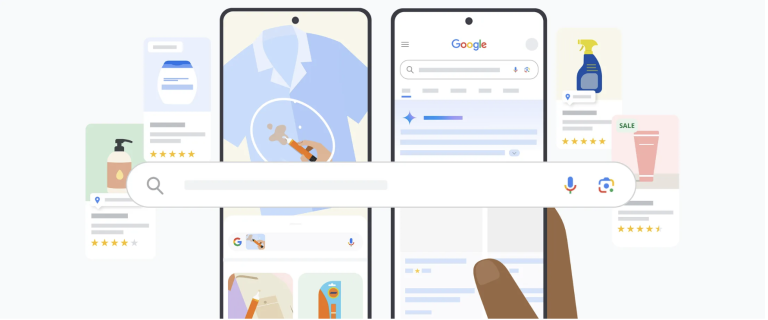
Online shopping is becoming a conversation. Users can now ask simple prompts such as “recommend an espresso machine under NT$10,000” or “show me stylish white sneakers” and receive curated product suggestions plus useful information in return. They can explore and compare products and prices, much like Google Shopping, but the experience happens inside a conversation with an AI assistant that understands context, asks follow-up questions, and offers smarter recommendations.
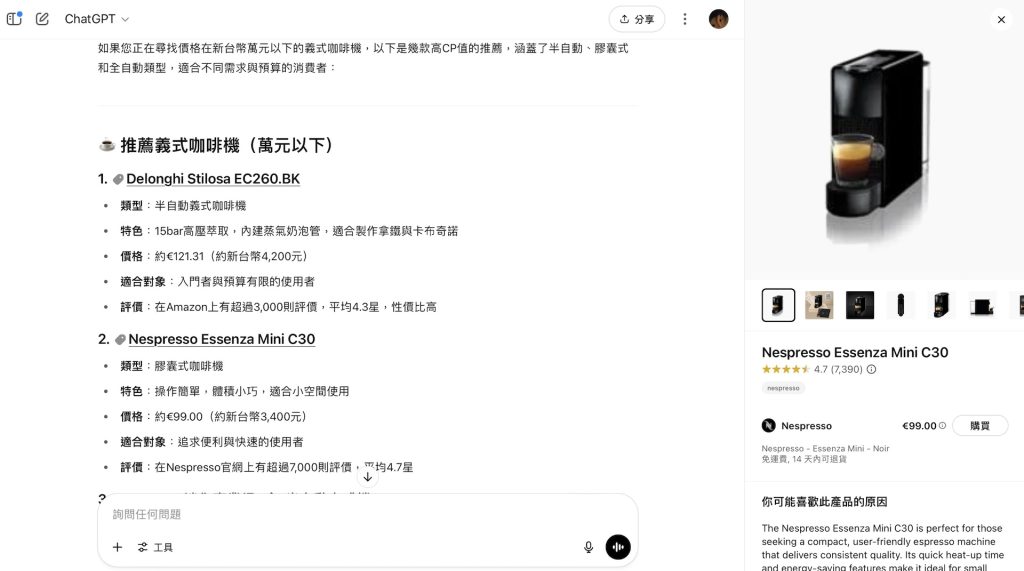
Compare products and prices in real time
ChatGPT pulls live product data from partners such as Shopify, including photos, videos, prices, customer reviews, and technical specifications, instead of relying on static search results. Its goal is to simplify the discovery phase and guide purchase decisions intelligently while ensuring that the user sees the latest information.
An ad-free shopping recommendation experience
In most cases, when users interact with ChatGPT shopping search, they are still sent to the merchant’s website to complete the purchase. The assistant acts as a smart recommendation engine that helps users discover the right product, but it does not handle the transaction itself.
OpenAI’s shopping feature is being positioned around no ads, pure recommendations, and structured data analysis, at least for now, and that makes it a serious challenge to traditional search and shopping services.
How ChatGPT shopping search affects SEO
This shift suggests a major change in user behavior. In the past, people started product research on Google. Now many users may begin directly inside ChatGPT to find, compare, and choose products.
- Organic search traffic: If users no longer start with Google, we may see lower click-through volume from traditional search engines.
- Higher demand for structured product data: To appear in AI tools, it becomes much more important to maintain well-structured product summaries, metadata, and schema markup. Platforms like ChatGPT will prioritize trust signals such as reviews, delivery time, and return policies when deciding what to show. Your product data therefore needs to be technically correct and rich in useful information.
- More zero-click behavior: Users may get answers and recommendations directly inside AI, without ever visiting your website. That means your visibility now needs to follow the user into the AI platform itself.
This shift has already led to a new SEO idea: GEO, or Generative Engine Optimization. Like SEO, it means optimizing your content for visibility. The difference is that GEO focuses on visibility inside AI-driven search experiences rather than rankings in Google’s results page.
How ChatGPT shopping search may affect Google keyword ads
Paid advertising, especially Google Shopping and Search, may also be affected by OpenAI’s move. If users shift to ChatGPT to research products, we may see:
- Greater demand for full-funnel strategy: Brands will need visibility not only in search engines and social media, but also across AI ecosystems.
- Lower click volume for traditional Google Shopping ads: As product research moves into ChatGPT, the need to click through Google search ads may decline.
- New competitive space: If shopping starts inside ChatGPT, advertisers will need to rethink budgets and strategy to include AI-friendly content and product data while preserving visibility across Google and ChatGPT.
GEO: the new AI-driven search optimization field
This disruption in online product discovery is creating a new specialty: GEO, or Generative Engine Optimization. Just as SEO aims to help pages rank in Google, GEO focuses on improving visibility inside AI search results.
Unlike classic SEO, which follows ranking algorithms, GEO requires adapting to generative conversation logic. AI is not just indexing pages. It is searching across many signals and selecting the best answer based on purchase intent. To be surfaced and recommended, products need to meet several standards:
- Excellent semantic quality: Product pages must be well structured, clearly written, and use natural language that matches the way users ask questions.
- Up-to-date and detailed data: Pricing, availability, shipping, and return conditions must be accurate so AI can generate relevant results.
- Specific user needs: Content should answer real-world needs, such as “Which ergonomic chair is best for remote work?” instead of just “office chair.”
- Relevance in conversational context: AI will prefer offers that flow naturally in conversation and combine good value with positive reviews.
- GEO is quickly becoming its own discipline: The challenge is no longer just ranking on Google, but making your product attractive and understandable inside AI conversations that value immediacy.
Help OAI-SearchBot crawl, understand, and cite your site
This is not a death sentence for Google Ads or SEO, but it is a warning. We need to start integrating AI into marketing strategy and execution:
1. Track traffic sources closely
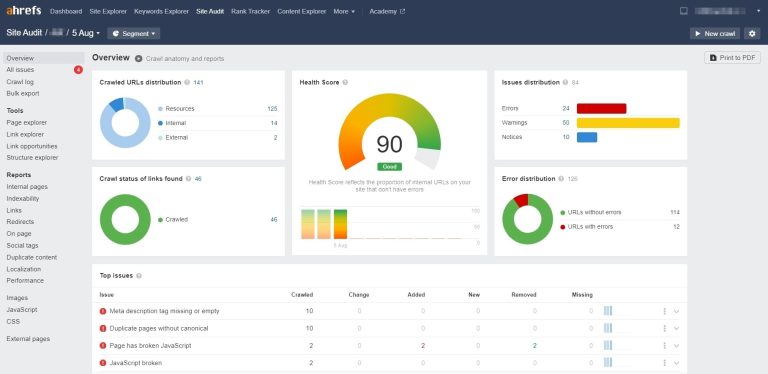
If you notice a sharp rise in GA traffic labeled “Direct / none” or “not set,” or if product and checkout page visits increase, that may indicate traffic coming from an AI search engine.
2. Strengthen structured data and enrich product pages with context
Make sure your website speaks the same language as AI platforms. Optimize your product content with pricing, stock, reviews, brand information, and other details that improve visibility. AI systems love FAQs, Q&A, bullet points, customer reviews, and rich contextual descriptions. Understand what customers want, what matters to them when choosing a product, and how they discover it.
👉 Google explains how structured data markup works
3. Make sure OpenAI’s crawler can access your site
To show up in ChatGPT search results, you need to make sure OpenAI’s crawler, OAI-SearchBot, is not blocked. That may require updating your robots.txt file. Example setup: User-agent: OAI-SearchBot + Allow: /
4. Use UTM parameters to track ChatGPT traffic
If access is allowed, you can track ChatGPT traffic in tools like Google Analytics, because ChatGPT automatically appends the UTM tag utm_source=chatgpt.com to referral links.
ChatGPT Shopping: a new ecommerce model is taking shape
ChatGPT Shopping is more than a one-off technical feature. It reflects a broader trend: a fundamental shift in the buying journey and decision layer. So far, product discovery has followed a familiar path: search engines like Google, comparison tools, marketplaces such as Amazon or Shopee, and then product page browsing. That process is fragmented and often filled with paid placements.
But ChatGPT Shopping is redefining the user experience with a smooth, personalized interface that is less cluttered by commercial noise. With just a few lines of conversation, users can:
- Explore curated products that are actually relevant
- See aggregated reviews from multiple platforms
- Ask natural-language questions just like they would with a real sales assistant
This new model has the potential to shift traffic heavily away from traditional channels:
- If users stop clicking ten sponsored results and instead rely on one direct answer, Google Shopping could lose its central role in product discovery.
- Amazon’s long-standing dominance in internal product search could also be challenged if consumers no longer need to visit the platform to get recommendations.
- Facebook Shops or Instagram Shopping are growing, but they may face strong competition on algorithmic relevance and instant-answer convenience.
That raises an important strategic question: Where will future purchase decisions actually be made?
If the answer becomes inside AI-driven conversational agents, then brands, distributors, and retailers must adjust their strategies. That means:
- Integrating into those conversational ecosystems through structured data, rich product feeds, and GEO strategy
- Developing their digital presence so generative engines can understand and recommend them
- Breaking out of SEO / SEA / social silos and adopting an AI-driven omnichannel approach
One of the biggest questions may be who controls the purchase funnel now that it is concentrated in one interface. If ChatGPT eventually completes transactions directly inside the assistant through Shopify or another partner, then the current ecommerce model will have to be reimagined: fewer product pages, smarter interfaces; less click-based acquisition, more presence inside AI-generated conversational responses.
The future of ChatGPT shopping: move first and win early
The AI shopping era will reshape how people shop online. Consumers will care even more about speed, convenience, and personalization, and brands that adapt early will gain a meaningful advantage.
ChatGPT handles more than 1 billion web searches per week. This is not just a trend; it is a new channel. OpenAI has already invited merchants to integrate product feeds into the platform, giving early adopters a real advantage. Supplying product summaries directly to ChatGPT can help ensure results are more accurate and up to date.
For now, you can sign up for early access here: https://openai.com/form/chatgpt-product-interest-form.
Instead of waiting for ad exposure, optimize your site content for AI shopping now. The sooner you adapt, the more likely you are to stay visible.
References:
OpenAI: Help ChatGPT discover your products