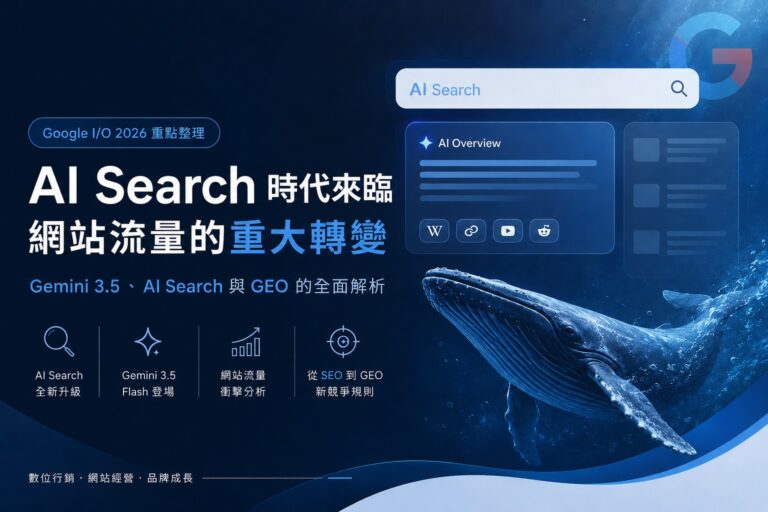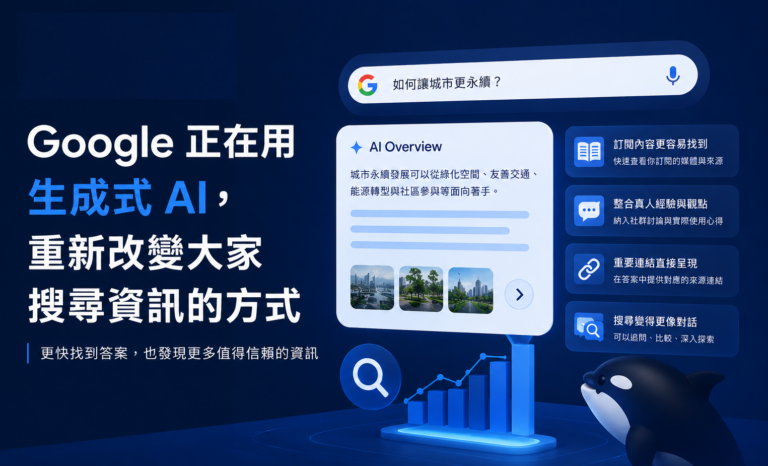
On February 5, 2026, Google dropped another bombshell: a brand-new Discover core algorithm update. Are you ready?
This was not a small adjustment. Google is trying to completely reshuffle the content ecosystem. In short, this update is about returning to the essence of content: locality, expertise, and sincerity. Websites that used sensational headlines and copy-paste content to win traffic in the past will now face a much tougher test.
If you still want a place in the future traffic race, this is an article you should not miss. OrcaBiz will walk you through the details of this update and show you how to master two key traffic formulas: topical authority and local dividend. That is how you become a real winner after the reshuffle.
What exactly is the 2026 Google Discover core update?
This Google Discover core update is basically Google’s way of cleaning up content quality so users get a better experience. Unlike a traditional Search Core Update, this was Google’s first independent core update specifically for Discover, the personalized feed experience, rather than just a side effect of Search.
Discover is no longer just a by-product of Search. It is now an independent traffic entry point and recommendation ecosystem.
According to Google, the main goal is to improve content quality, local relevance, and topical depth while reducing exposure for low-value clickbait. The rollout began on February 5, 2026, first for English-language users in the United States, then expanded globally.
1. Local content is the real winner
Imagine you are in Taiwan. Google will naturally prioritize local news, food, and event information. That makes sense. But for websites that have been writing for foreign audiences while trying to capture Taiwan traffic, this is bad news.
Google clearly said it will reduce the visibility of non-local content in Discover. So if you are deeply focused on local topics, congratulations. Your competition just got much smaller, and your local dividend is about to kick in.
2. Clickbait headlines and content farms are out
Still using headlines like “Shocking! You won’t believe this…” Then it is time to stop.
Google is taking a hard line against sensational and clickbait content. The algorithm is now smart enough to tell whether your headline is overpromising and whether your content actually delivers on it. Sites that relied on exaggerated headlines but delivered thin content will likely see traffic fall off a cliff.
Google is basically saying: sincerity is the most effective traffic formula.
3. Expertise and depth now decide your status
One of the most exciting things about this update is Google’s emphasis on recommending more content that is deep, original, and timely. It also uses a topic-by-topic approach to judge expertise.
What does that mean?
For example, if you run a blog about indoor gardening, you may also post occasional lifestyle notes. But if you consistently publish high-quality content about indoor gardening, Google will treat you as an expert in that field. On the other hand, if you are a movie review site and suddenly publish “10 must-grow indoor plants,” Google will not care.
So stop trying to write about everything. Focus on your core specialty and go deeper. That is how you earn a place in Google Discover.
You may also like: What is E-E-A-T? How to improve content quality with Google’s search quality guidelines
Traffic reshuffle: who wins and who gets left behind?
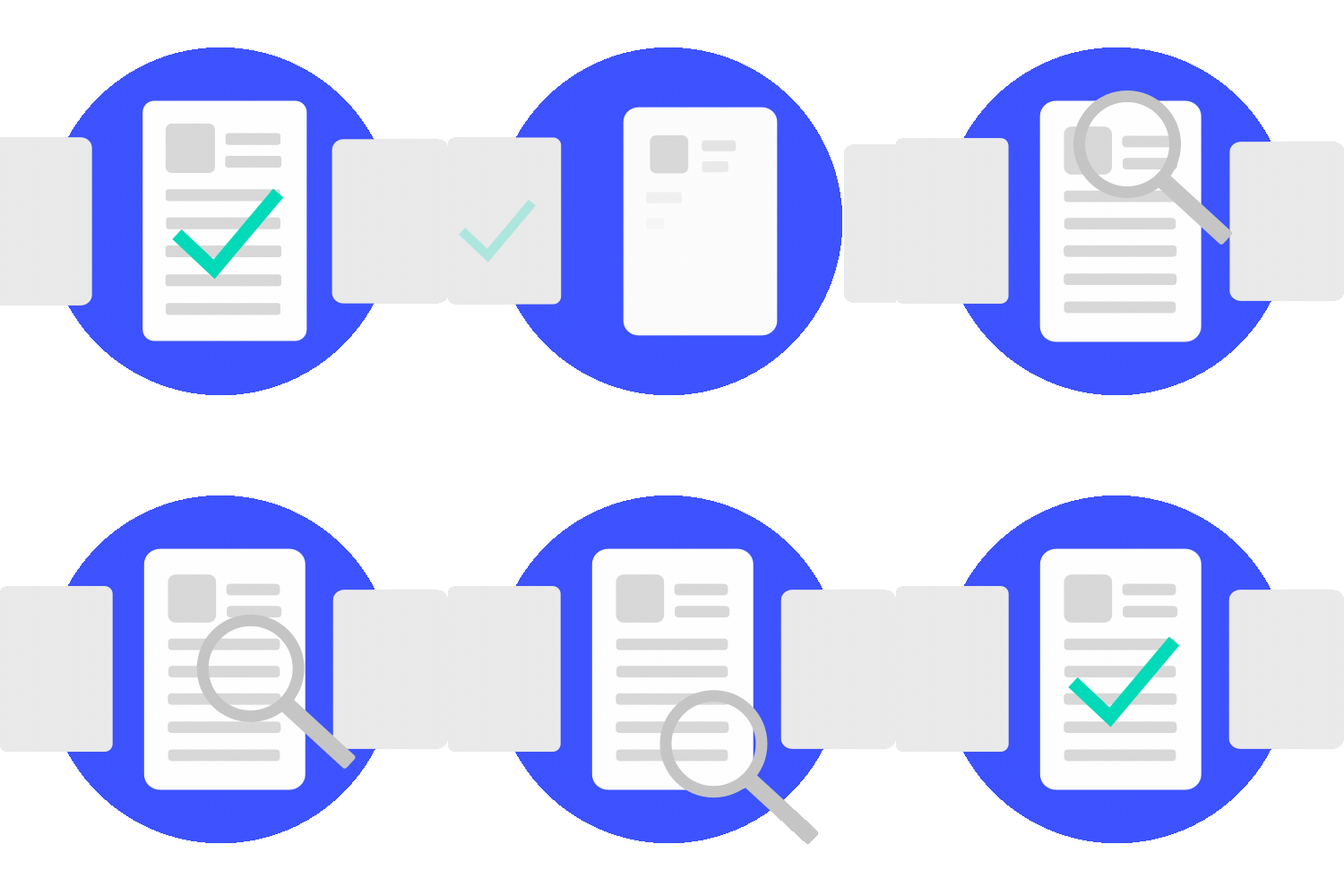
This update will definitely reshuffle traffic distribution. The table below gives you a quick picture of the winners and losers.
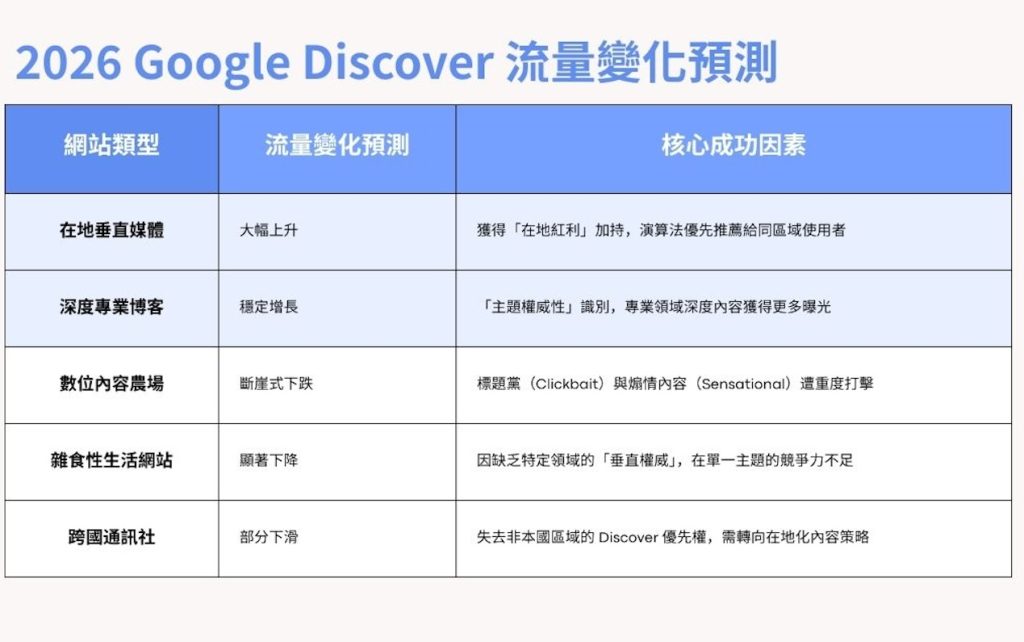
New winners usually share these traits:
- Honest, not exaggerated: Headline and content match, no word games, and real value is delivered
- Local: Content connects tightly to local life, uses local data and cases, and feels written for the reader
- Deep expertise: Strong focus in one field, consistent high-quality output, and real authority
- Fresh and distinctive: Quick reactions to local hot topics, plus original insight instead of echoing everyone else
Old losers usually make these mistakes:
- Flashy but empty headlines: Big promises with little payoff
- Mixed-bag content: Trying to write about everything and mastering nothing
- Copy-paste operations: No original perspective, just recycled content with no unique value
The two keys to traffic growth: topical authority and local dividend
Do not panic. If you understand topical authority and local dividend, you can still grow against the trend and make traffic take off again.
1. Build topical authority
Want Google to see you as an expert in a certain field? Then you need a content strategy that looks professional and deep.
Use topic clusters:
Think of your site like a tree: one trunk, which is your pillar page, and many branches, which are cluster pages exploring subtopics.
For example, if your trunk is “indoor gardening,” your branches could be “how to care for succulents,” “what to do when indoor light is not enough,” or “beginner repotting tips that actually work.” This makes it clear to Google that you know the topic well.

You may also like: What is a topic cluster? Writing more content alone is not enough; core-page SEO is the key
Do not just chase keywords. Learn semantic SEO.
Google now understands more than keywords. It understands meaning. Your content needs to cover the relevant entities and concepts around the topic, and answer the question in a complete, structured way. That helps Google recommend your content to the right people.
Keep publishing consistently:
Do not write about food today, tech tomorrow, and parenting the day after just because you want traffic. Google tracks long-term content consistency. Staying in one field and going deep is how you build expertise and trust.
Get expert backing:
If authoritative sites in your niche cite your content or link back to it, it is like a stamp of approval. Google will trust you more.
In short: building a content library around one topic is more powerful than being vaguely broad.
2. Use your local dividend
This update’s focus on locality is great news for local creators. Use it well and make your content feel closer to the reader.
The more local your content is, the better.
When you write, mention your location, local events, local data, or local experts.
For example, in a food review, do more than just describe the dish. Talk about the restaurant’s history, where the ingredients come from, or what local people think about it. That makes the content warmer and easier for local readers to connect with.
Make sure your Google Business Profile is in shape:
If you have a physical store or local service, your website information and Google Business Profile should match exactly.
Do not forget to embed maps or local reviews in your content. That helps Google connect you to a specific location and makes your content more likely to appear in Discover for nearby users.

Show real-world proof:
Upload local photos, event records, or user-generated content. These real materials make your content more trustworthy and help separate you from AI-generated digital farms.
Speak the local language:
Use local vocabulary, slang, and cultural references that readers recognize. That builds connection and keeps people on your site longer.
This is not just about country-level targeting. It also means regional SEO and localized content strategy will become a new traffic advantage in Discover.
You may also like: Use Rich Results to improve SERP rankings and click-through rate
3. Say goodbye to digital farms
If you want to avoid being punished by Google, you need to leave digital-farm behavior behind.
Be honest in headlines:
Change headlines like “Amazing secret” or “You will not believe this” into something like “Deep dive” or “Practical guide.” Focus on what readers actually need, not on clickbait.
Be original:
Reduce direct copying from AI-generated text and add your own perspective, first-hand interviews, or original research. Google’s algorithm is increasingly good at telling which content is genuinely valuable.
Give readers what they want:
Make sure readers see the answer they are looking for right away. That means you need to know your audience before you write.
In SEO terms, Google is cleaning up Discover by refusing to reward digital-farm behavior. That means stricter quality filtering and tighter matching to user needs.
Conclusion: this is a renaissance for content quality
The 2026 Google Discover core update is less a traffic reshuffle and more a renaissance for content quality.
This was not just a routine algorithm tweak. It:
✅ Makes Discover just as important as Search as a traffic channel
✅ Pushes topical authority and locality to the center of ranking logic
✅ Reduces exposure for manipulative clickbait and low-quality content
✅ Reorders traffic so that high-quality content and advanced strategy win
So do not wait. Start adjusting your content strategy now.
References
1. February 2026 Google Discover core update
2. Topical Authority SEO: Become the Expert in 2026
3. Local SEO sprints: A 90-day plan for service businesses in 2026