
The moment you click on the search bar on a Google page, you’ve already stepped into the vast world of Search Engine Optimization (SEO). You’ll immediately see a series of results tailored specifically to your query. However, among these list-based results, you might find some items that stand out, appearing more detailed, enticing, and informative. Without even clicking on them, they convey a sense of authority and trustworthiness to the user. What makes these particular items so appealing? The answer is simple: “Rich Results.”
Rich results not only help websites rank higher in SERPs but also achieve higher click-through rates.。
Think of rich results as elite troops that extract valuable metadata directly from your page content. Potential visitors interact with this precise information even before visiting your website, significantly enhancing their user experience.
In this article, we will explain rich results, how they benefit your website, and how they can optimize your site.
What are “Rich Results”?
According toGoogle’s explanation:
Google Search results that are further enhanced with additional visual or interactive features, previously known as “Rich Cards” or “Rich Snippets,” are now collectively referred to as “Rich Results.”
Rich results refer tovisually enhanced search resultsthat contain more information than typical search results. This is because they display “richer” search results and provide users with more details.
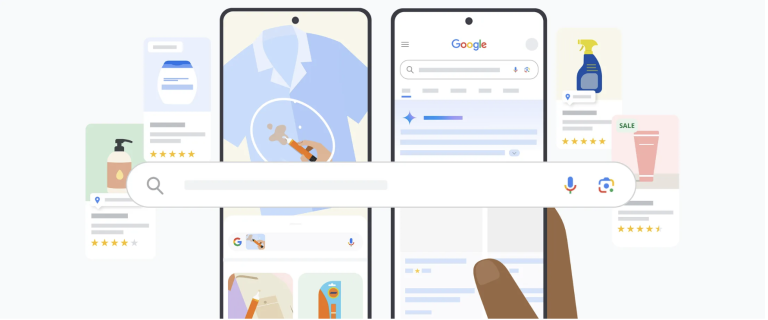
For example, when a user searches for “restaurants near me,” Google will show them nearby local businesses and restaurants based on their location, complete with reviews and ratings. Standard search results display the title in blue, and the URL and meta description in black. In contrast, rich results often display images and additional information such as ratings, polls, how-to guides, pricing, inventory, videos, products, and other types of content.
In the SERP, a regular search result is shown on the left side of the image below; on the other hand, a rich search result might appear on the right side of the image below:
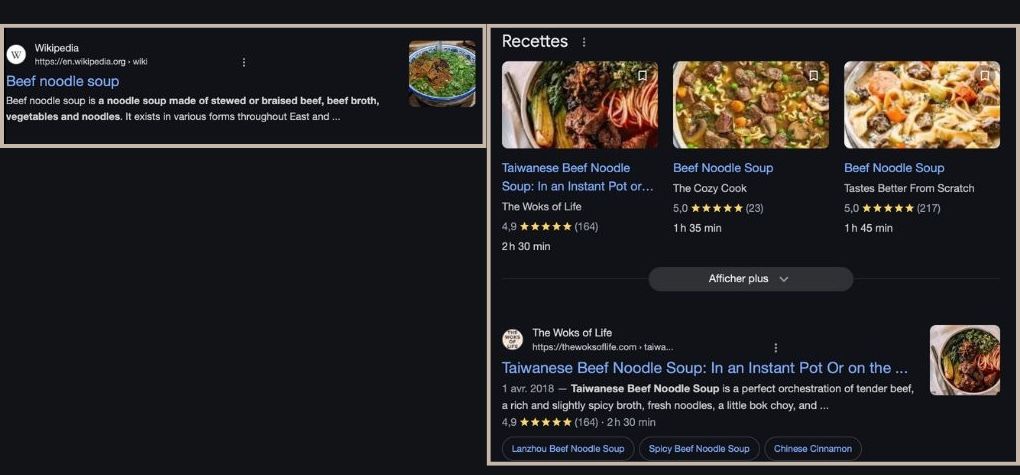
As shown above, rich search results for recipes might include preparation time, site links, ratings, and votes from other users.
All other information displayed in the search results is extracted from the structured data of the webpage.
Rich search results are very prominent compared to regular search snippets and easily attract the attention of Google search users, thereby increasing the click-through rate. The click-through rate is an important factor in Google’s ranking algorithm,The higher the click-through rate, the easier it is to improve rankings.Therefore, rich search results can improve rankings and bring traffic.
What is SERP? A more comprehensive SEO ranking optimization strategy starts with “search”!
Types of Rich Search Results
Rich search results come in dozens of different forms.
Among them, the most impactful and widely used for all websites are:
- Article
- Review
- Rating
- FAQ
- Video
- Breadcrumb
Some rich result types are only relevant to specific types of websites, such as:
- Education
- Product
- Q&A
- Event
- Job Posting
- Course
Here are some examples of rich result types:
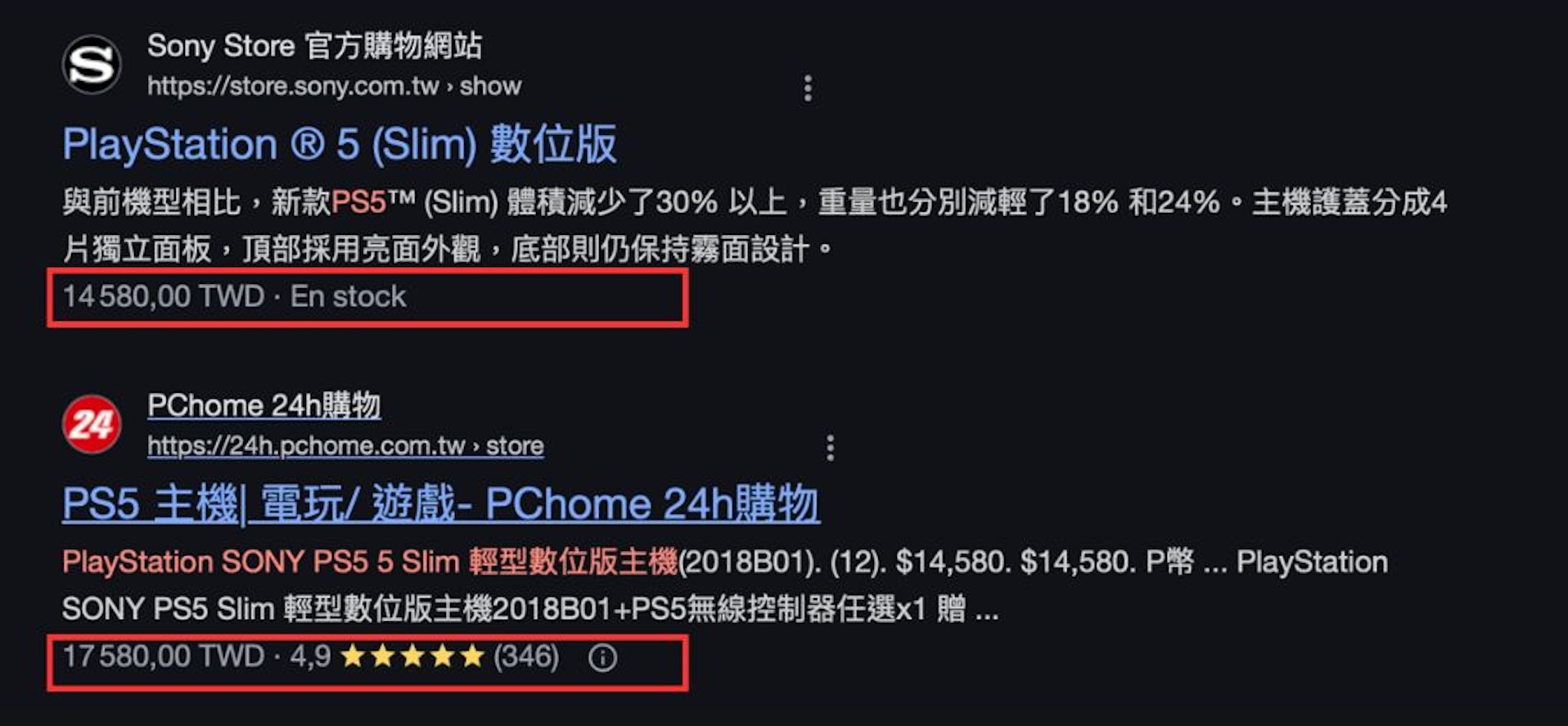
Product: Displays product-related information, such as pricing, inventory status, and review ratings.
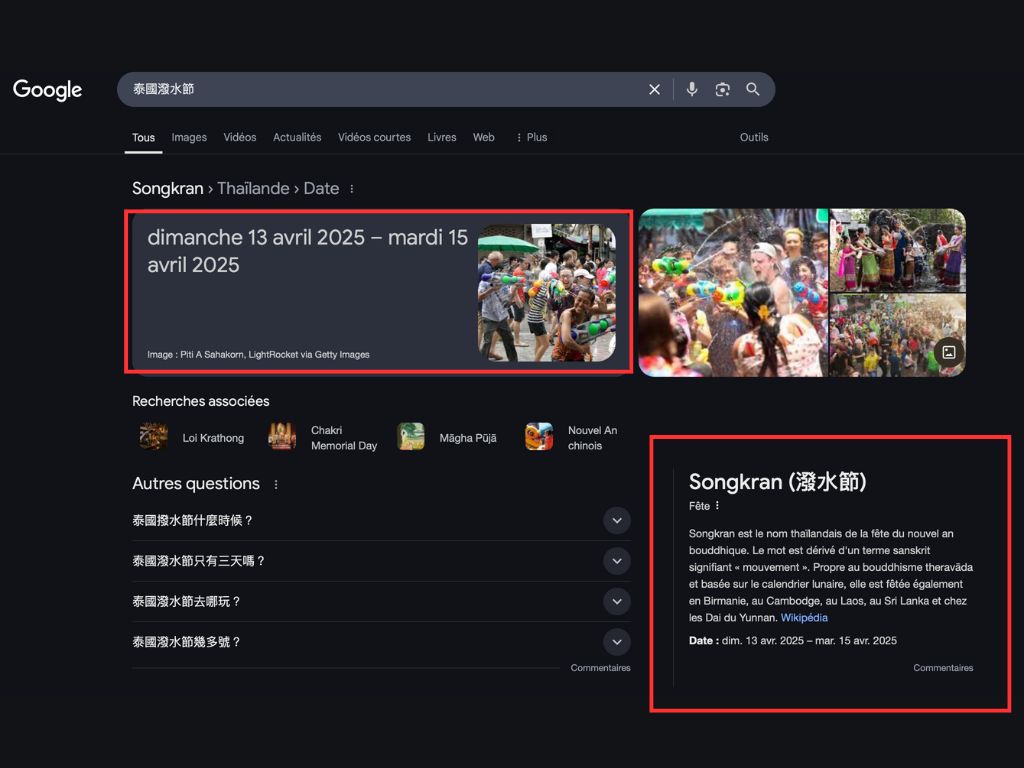
Event: Provides information about upcoming events, including time and location.
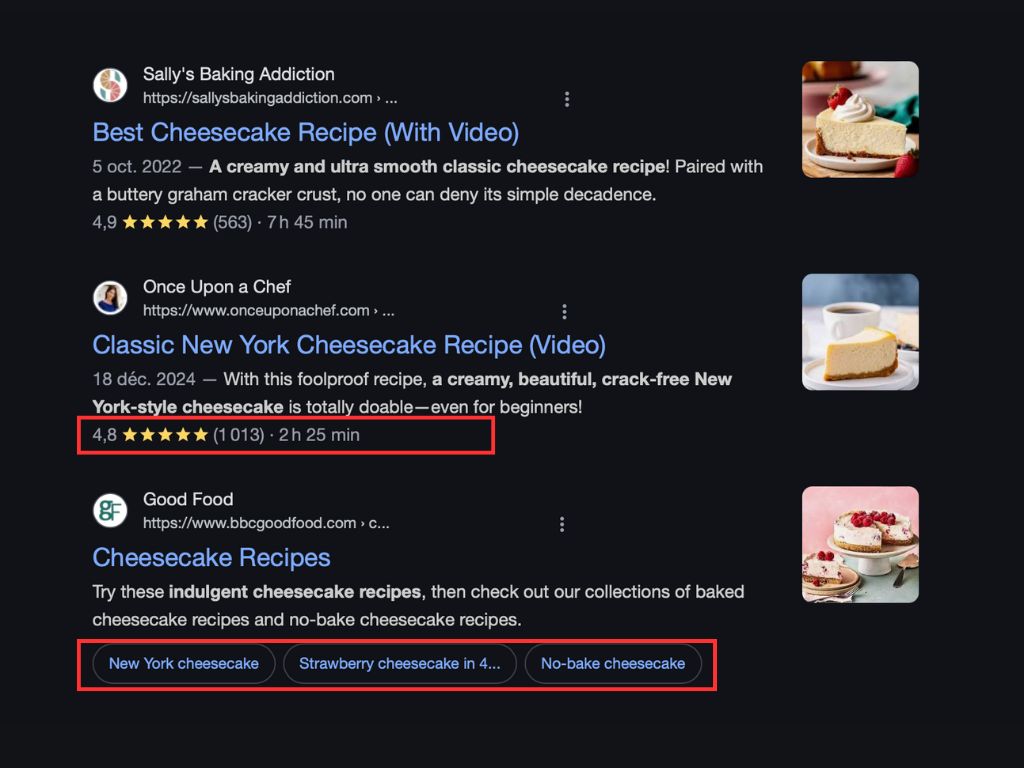
Review: Ratings and comments. Star ratings can help users decide if a product is worth clicking on. Reviews are often found when searching for restaurants, hotels, mobile devices, and products.

Recipe: Recipe snippets directly display and highlight essential details such as cooking time, ratings, reviews, ingredients, and recipe images.
FAQ: FAQ-style web page summaries contain a list of questions related to a specific topic and their respective answers.
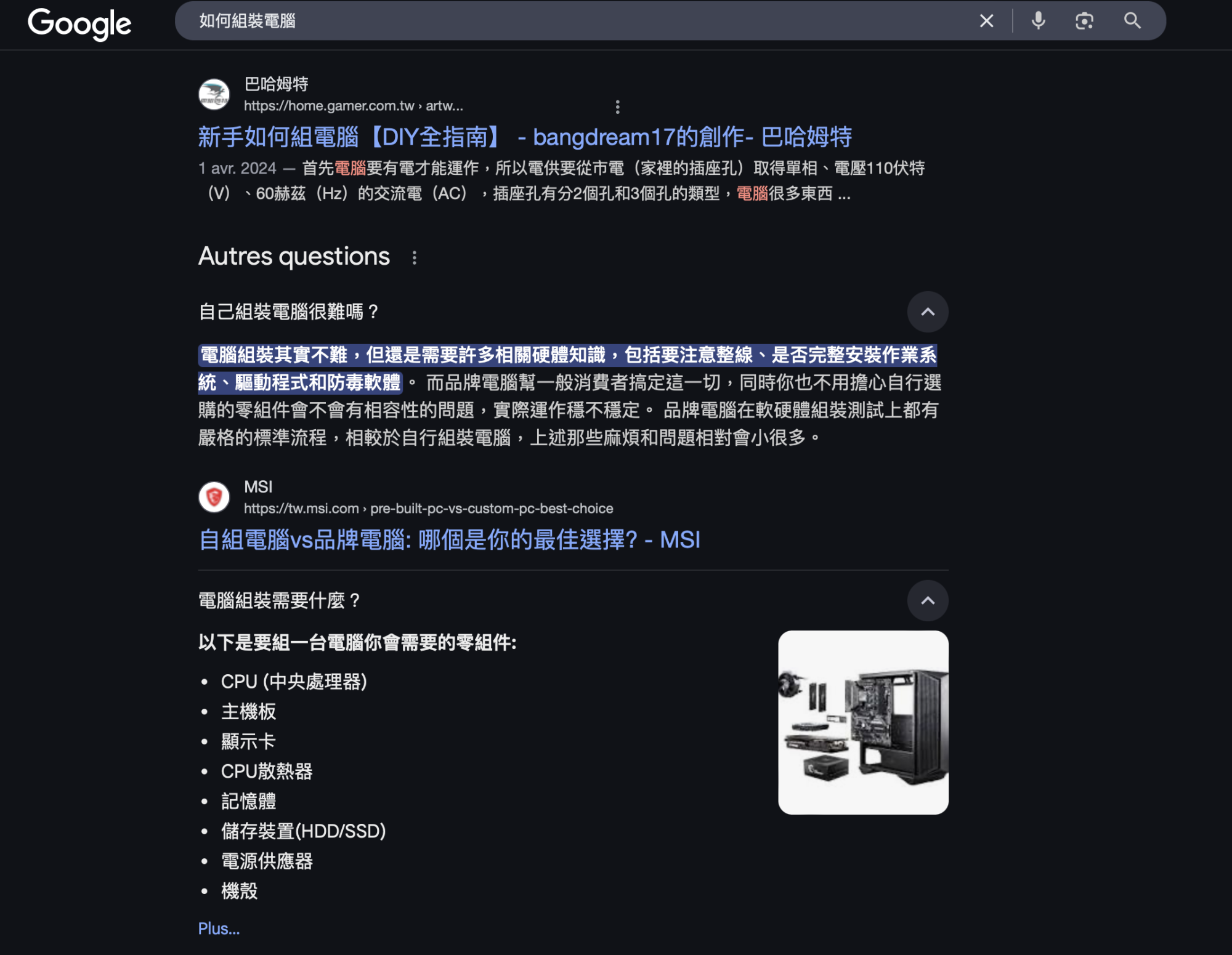
Video: Rich search results for video snippets display information about the video in the search results and provide options to play the video, specify segments, and watch live videos.
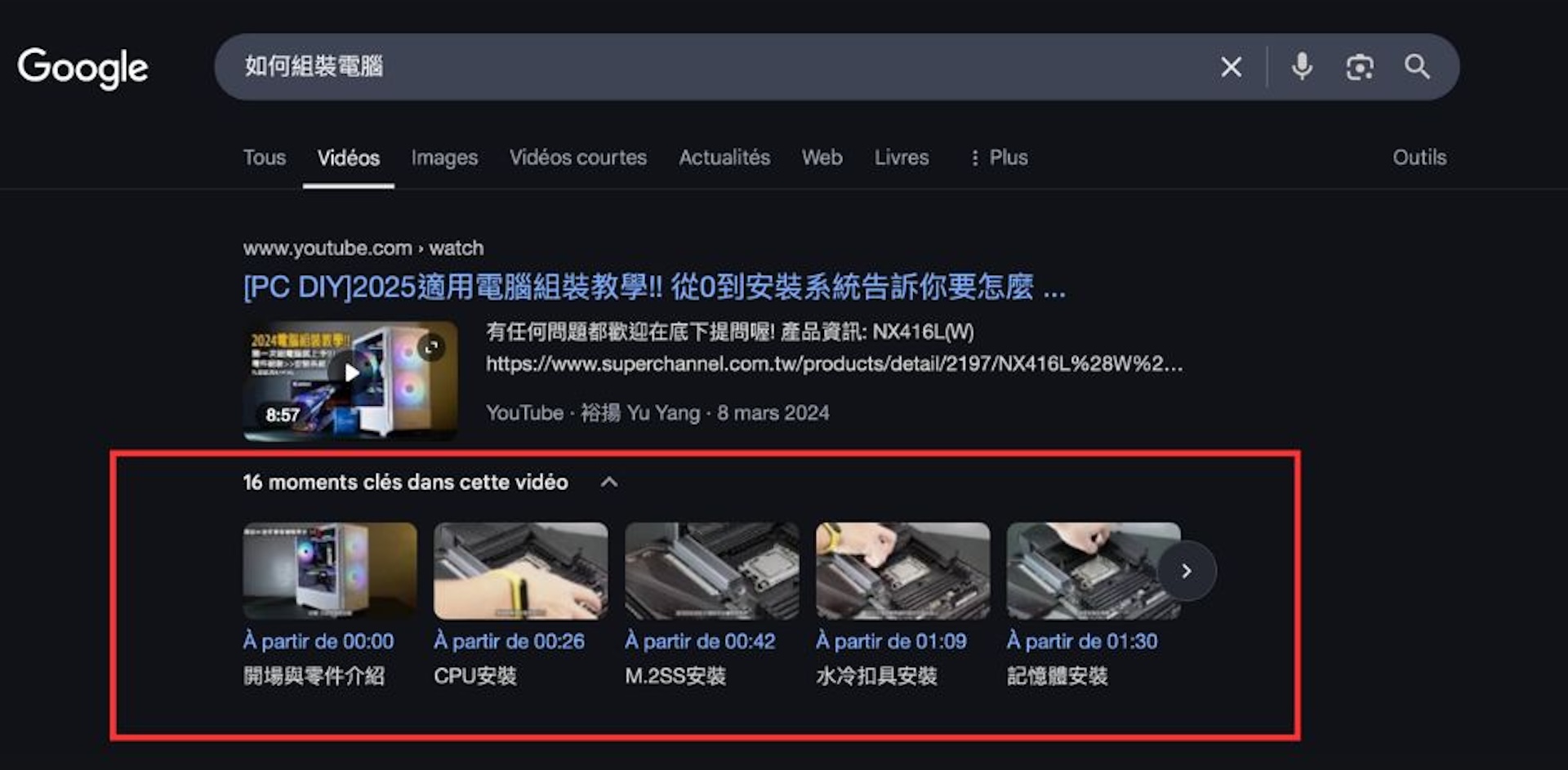
Recruitment: Recruitment information displays job listings for specific positions in rich search results. It shows the position and employer’s contact information.
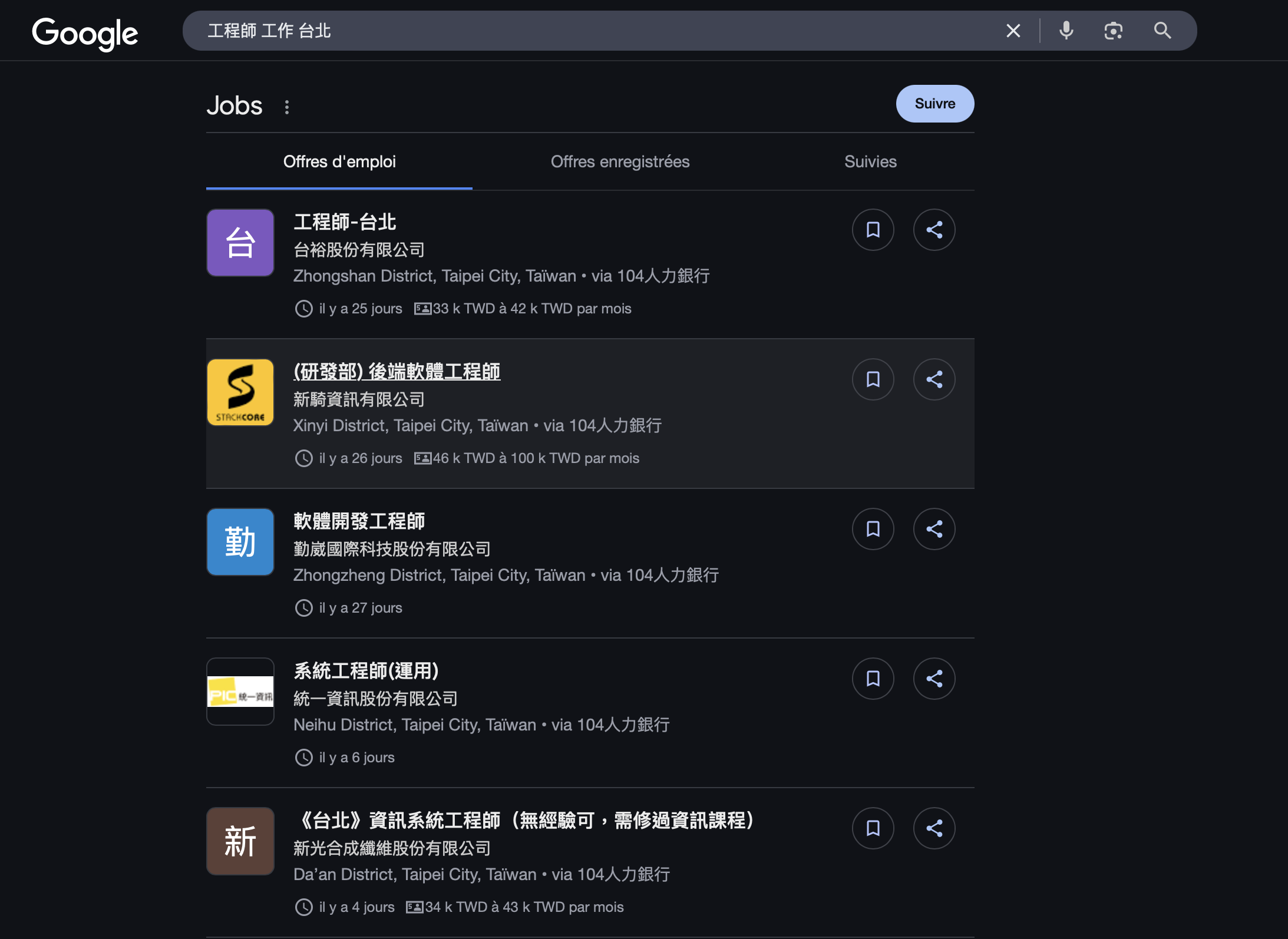
Organization: Displays key information about an organization, company, or brand in rich search results, including LOGO, address, and contact information.

Why are rich search results so important?
We understand that rich search results display more relevant information related to user queries, and can also benefit your website:
Increase Click-Through Rate (CTR)
Rich search results enhance the appearance of your listing in search results, making it stand out from the competition and significantly increasing the click-through rate when searching for specific products and services.
Rich product details with compound search effects include details that were originally invisible in the search product details. Images, star ratings, product availability, pricing, and other eye-catching features attract users’ attention and entice them to click on links, resulting in a high click-through rate.
The higher the click-through rate, the more likely people are to click on the link and enter your website, ultimately generating more organic traffic.
Build Trust with Users and Enhance Credibility
Ratings and reviews help determine trustworthy websites by showing how well they treat users. If your website appears in the form of rich search results that include ratings and reviews, it is more likely to become a source of trust for users.
This is because online ratings and reviews are considered one of the most important factors in determining whether someone trusts a particular website.
Reduce Website Bounce Rate
A high bounce rate occurs if visitors immediately leave a page without finding the information they are looking for.
In rich search results, users will see the most relevant details related to their query. This makes it easy for searchers to find key information on the search page, saving them time and allowing them to decide whether to click on the link. It also keeps them on your website longer, enhancing the user’s web navigation experience and reducing the bounce rate.
Increase Conversion Rate
Rich search results are a great way to increase your website’s conversion rate by providing detailed descriptions of products or services in the search results. In short, rich search results increase click-through rates, which leads to more traffic, which means more conversions.
Improve Search Engine Optimization
While there’s no concrete evidence that rich results and their associated structured data directly improve search rankings, rich results can increase click-through rates and decrease bounce rates, which are two important metrics Google uses to determine website success.
We’ve already explained rich results and how they can improve your website’s ranking, SEO, click-through rate, and more.
Now, you might be wondering how Google knows what content to fetch for rich results, and which information in a webpage’s content is relevant to a search query and can be displayed as a rich result.
Who tells search engines that this information is about a recipe, this is a review, or this is an FAQ page?
That’sStructured Data。Adding website content using schema markup and appropriate structured formatting allows search engines to better read and understand our website content.。
What is Structured Data?
Structured data is a standardized format for displaying information about a page and identifying its content. The main goal of structured data is to help search engines better understand your content.
When you use structured data to mark up specific types of content, Google may display rich results for your website in search results. The process of formatting website content into structured data is done by adding code from a standard vocabulary (i.e., Schema.org).
How to use structured data and generate rich results?
To use structured data and generate rich results, follow these steps:
1. Determine the correct structured data type
Structured Data TypeThis varies depending on the web page content, such as articles, products, events, organizations, etc. Choose the appropriate structured data type based on the content and goal of the web page.
2. Add structured data markup
Use an appropriate markup language (such as JSON-LD) to add the selected structured data type’s markup to the relevant sections of the web page. For example, for a product page, information such as price and rating can be added to the corresponding HTML tags.
3. Validate and test
Check the accuracy and completeness of the structured data to ensure it matches the web page content. You can useGoogle’s Structured Data Testing Toolto validate and ensure that the data can be correctly parsed and displayed.
4. Regular monitoring and optimization
Regularly monitor the performance and effectiveness of structured data, and optimize and adjust it by analyzing metrics such as the display of rich search results and click-through rates.
Using various structured data does not directly affect SEO rankings. In other words, Google will not automatically improve your ranking just because you add structured data to your website. However,By using structured data, your website will appear more diverse on search results pages, which can attract more clicks and increase the chances of visitors and traffic.This allows more people to access your content and even promotes sharing, which indirectly influences and improves your website’s ranking.
Rich Search Results and Structured Data Complement Each Other
A website’s structured data uses a specific format of markup language to label web page content, which helps search engines better understand and parse this content.
Rich search results, in turn, rely on this structured data to present richer information on the search results page, thereby enhancing user experience and increasing click-through rates.
Properly utilizing structured data and generating rich search results can bring multiple benefits, includingimproved search result visibility, enhanced click-through rates, better user experience, and increased conversion rates,leading to better search engine optimization results.
In addition to correct structured data, remember to also improve the quality of your articles!
References: