
As Google’s algorithm keeps changing and user search behavior evolves, simply optimizing a page around one keyword is no longer the best approach. A topic cluster is more like a compass for your content strategy: it helps guide your site architecture and attract organic traffic in a more sustainable way. If you plan your content and site structure around a topic cluster, you can improve rankings and build a better long-term content strategy.
What Is a Topic Cluster?
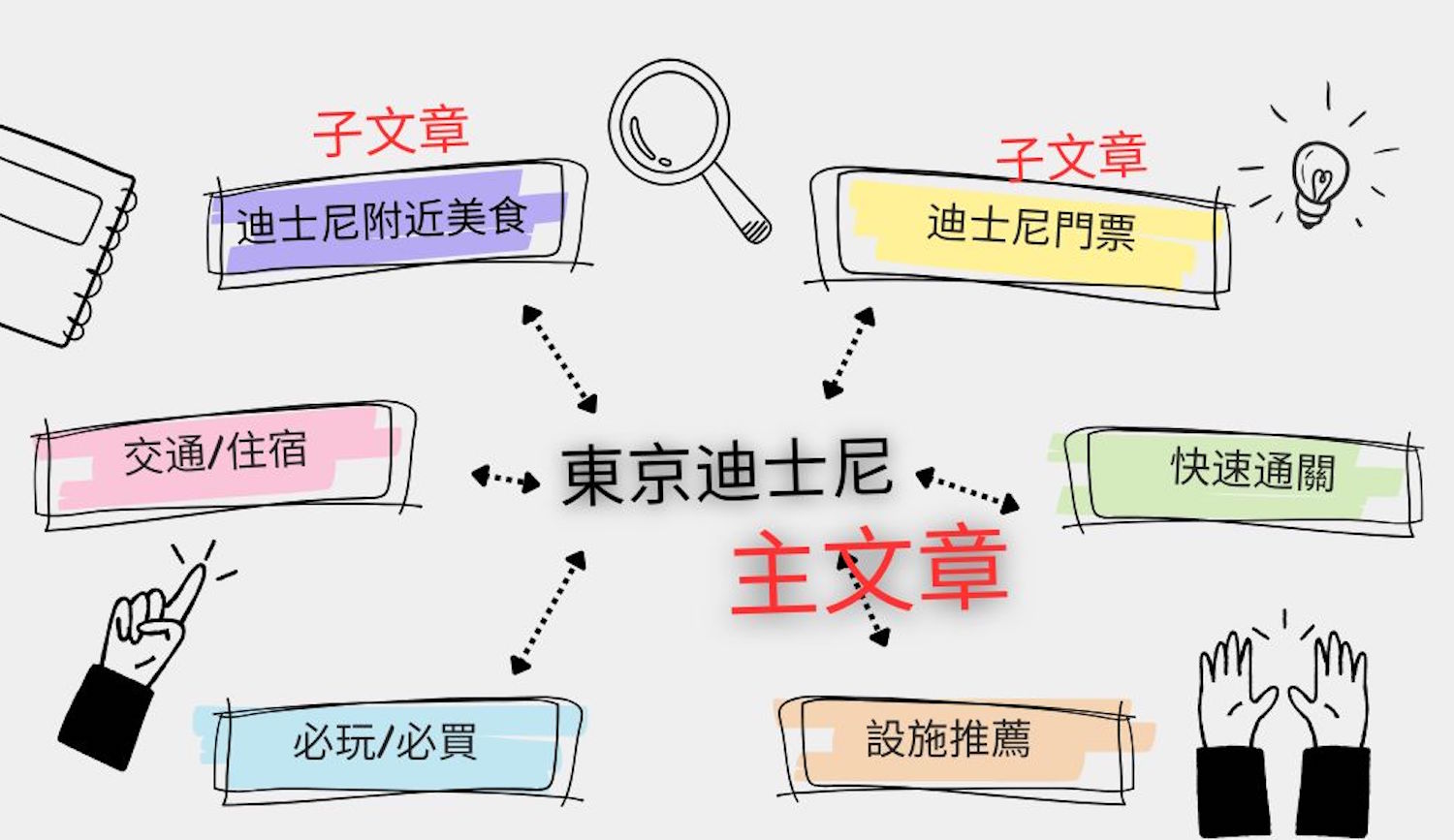
A topic cluster is a content strategy that improves SEO by grouping related topics together. It usually includes one core topic page and multiple related subtopic pages. The core page gives a broad overview of the subject, while the subtopic pages go deeper into specific details or questions. This structure helps visitors find what they need more easily and helps search engines understand how your content is organized.
In simple terms, a topic cluster is a main pillar page surrounded by several cluster pages. These pages are connected with hyperlinks so that Google can clearly understand the relationship between the core topic and the supporting articles.
You can also learn the concept from HubSpot’s introduction video:
- Pillar content: the main page that acts like a table of contents. It should be easy to read and provide a broad overview, with links to deeper articles for readers who want more detail.
- Cluster content: supporting articles that explore related subtopics in depth. Each one should focus on a single subtopic and link back to the pillar page.
- Hyperlinks: the bridge between the pillar page and cluster pages. These links can appear in the introduction, body, or conclusion and help readers continue exploring the topic.
Why Are Topic Clusters Important?
Topic clusters make it easier for Google to understand your site, which is one reason they tend to perform well. A well-organized content structure also makes your site feel more professional and trustworthy to readers.
Advantage 1: Better authority and rankings
Topic clusters help establish authority in your niche. By targeting long-tail keywords within the cluster, you can focus on more specific and less competitive queries, which helps improve your SERP performance. When many related pages are interlinked, Google is more likely to crawl them efficiently and reward your site with stronger visibility.
What Is SERP? Start ranking smarter by thinking from search to result.
Advantage 2: Lower bounce rates and stronger engagement
When a user lands on a pillar page, they can click into related articles that match their interests. This smoother journey encourages more interaction, keeps visitors on your site longer, and lowers bounce rates.
Advantage 3: More repeat visits and more traffic
A complete cluster of related articles gives visitors a place to return to when they want to read more or revisit useful information. That makes your site more bookmark-worthy, encourages repeat traffic, and helps build brand loyalty.
How Topic Clusters Support E-E-A-T
When you provide relevant, high-quality content that matches audience needs, you position your site as a trustworthy source of information. That helps you earn stronger signals in Google’s quality systems.
Organizing your content into clusters also improves SEO because search engines value thorough, well-structured coverage of a topic. A topic cluster shows that your site covers the subject from multiple angles, which can improve visibility and rankings.
What Is E-E-A-T? How can Google’s quality guidelines help improve content quality?
How Do You Plan a Topic Cluster?
1. Choose the topic
For a typical website, the number of topics depends on the business and industry. Choose subjects that have business value, good search volume, and enough depth to support more than one page. For example, a travel booking brand might build clusters around trip planning, attraction guides, and itineraries.
2. Build the keyword list and hierarchy
Collect as many related keywords as possible, then group them by page level. The main keyword should guide the pillar page, while related long-tail keywords should be distributed into cluster pages.
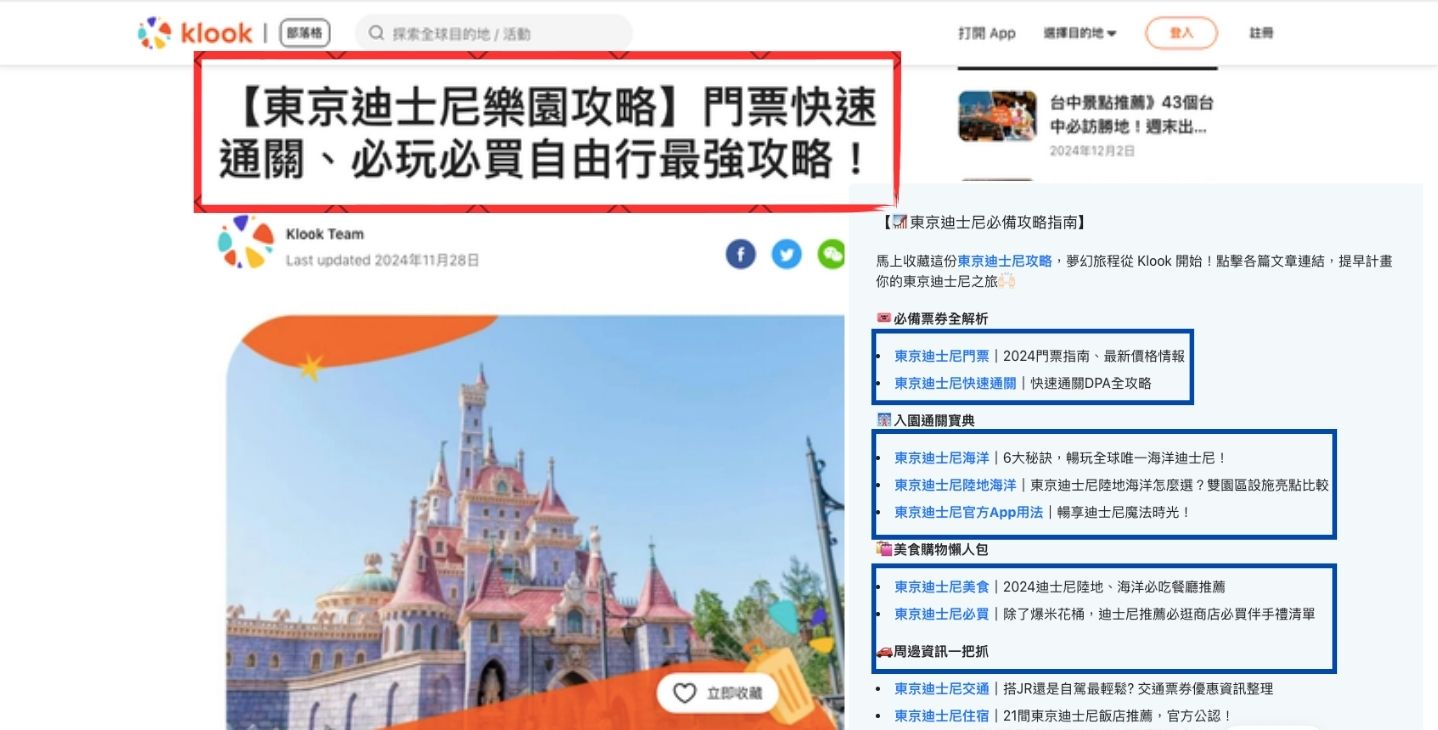
For example, if the main keyword is Tokyo Disneyland, you might also include more specific terms such as ticket tips, fast pass advice, transportation, accommodation, must-try rides, and souvenir ideas. That makes the content more complete and more useful to readers.
3. Write useful content
The goal of a pillar page is to introduce the topic broadly, so it does not need to be overly technical. It should be easy to understand and engaging enough to keep readers moving through the topic. Cluster pages, on the other hand, should focus on one subtopic each and go deeper into useful detail while staying concise.
4. Connect the pillar page and cluster pages
Use anchor text and related-reading links to connect the pages. That strengthens the relationship between the articles and helps search engines understand that your site is built around a structured topic cluster.
5. Keep updating content
Topic clusters are not a one-time project. Update the content regularly based on user feedback, new trends, and changes in search demand so the cluster stays useful and relevant.
High-Quality Content + Internal Links = Strong SEO
To be honest, Google is a difficult client. You cannot publish one page and expect it to rank well for an entire topic. Instead, you need a high-quality website that explains a subject in both depth and breadth, while using internal links to keep visitors engaged and help your pages perform better in search results.
That said, topic clusters still require patience:
We need to keep producing high-quality content and placing keywords in a sensible way. Even though AI-generated content is everywhere, it will not help if the content does not actually satisfy the user.
We also need to give Google time to crawl and index the pages so the results can accumulate gradually. When you provide valuable information to your target audience, you improve the user experience and build authority that helps your brand stand out.
In short, topic clusters are not just about creating more pages. They are about creating the right structure so your content can work together and support long-term SEO growth.
Frequently Asked Questions
What is a topic cluster?
A topic cluster is an SEO content strategy built around one pillar page and multiple related cluster pages. The pages are linked together to help Google understand the structure of the topic and improve rankings and user experience.
Why are topic clusters important for SEO?
Topic clusters help Google understand your site structure and topic relationships more quickly. They also strengthen authority, reduce bounce rate, increase time on site, and encourage repeat visits and stronger brand loyalty.
What are the main advantages of topic clusters?
The main advantages are better rankings and authority, lower bounce rates and stronger engagement, and more repeat visits and stable traffic. Topic clusters help your site become a long-term resource instead of a collection of isolated posts.
How do you plan a topic cluster?
Choose a topic with business value, build a keyword list, write a pillar page and cluster pages, connect them with internal links, and keep updating the content as user needs and search trends change.
How do topic clusters improve SEO performance?
A topic cluster helps Google see that your site covers a subject deeply and consistently. That stronger structure can improve visibility, rankings, and user engagement while making the site easier to navigate.