
What is search intent, which has been consistently mentioned in Google SEO optimization in recent years? What are its types? And how should we optimize around search intent? We will introduce them in detail one by one.
What is Search Intent?
Search Intent refers tothe reason behind searching for a keyword. In other words, it’s about what kind of answers users want to get when using search engines like Google.
For example, searching for “microwave oven” will reveal search results pages with e-commerce platforms like PChome 24h Shopping and momo, as well as articles comparing different brands of microwave ovens. The user’s goal is not to find a specific page or website, nor have they decided to purchase a particular brand’s product; they simply want to conduct research before making a purchase.
This means that the keyword has commercial intent. This is why you can use this knowledge to tailor your content to better target this keyword.
Why is Search Intent So Important?
We only need to know one thing: what is Google’s core objective?
“Bring in more users and retain them!”
For years,Google has been optimizing its ranking algorithm, making it increasingly intelligent. Google aims to provide users with the best answer (page) for a given search query, which is why we need to place such importance on the search intent behind a page when we want to rank it.
When users search for a term, if they see that the titles and descriptions ranking at the top do not match the answer they are looking for, or if they click on a page and find that the content displayed is not what they want, they will immediately leave that page.
These user behaviors send a clear signal to Google that this page does not meet user needs, and more suitable pages need to be ranked higher to match the demand. Therefore, understanding search intent will improve your ability to rank in search results.
Understanding search intent can help:
- Develop a more effective content strategy: By targeting keywords that meet the needs of your target audience.
- Create relevant content: By understanding user needs and creating content that satisfies them.
- Rank higher in search results: By showing search engines that your content meets user needs and is valuable.
4 Types of Search Intent
We’ve just discussed what search intent is and its importance, so now we need to understand the different types of search intent.
Informational Intent
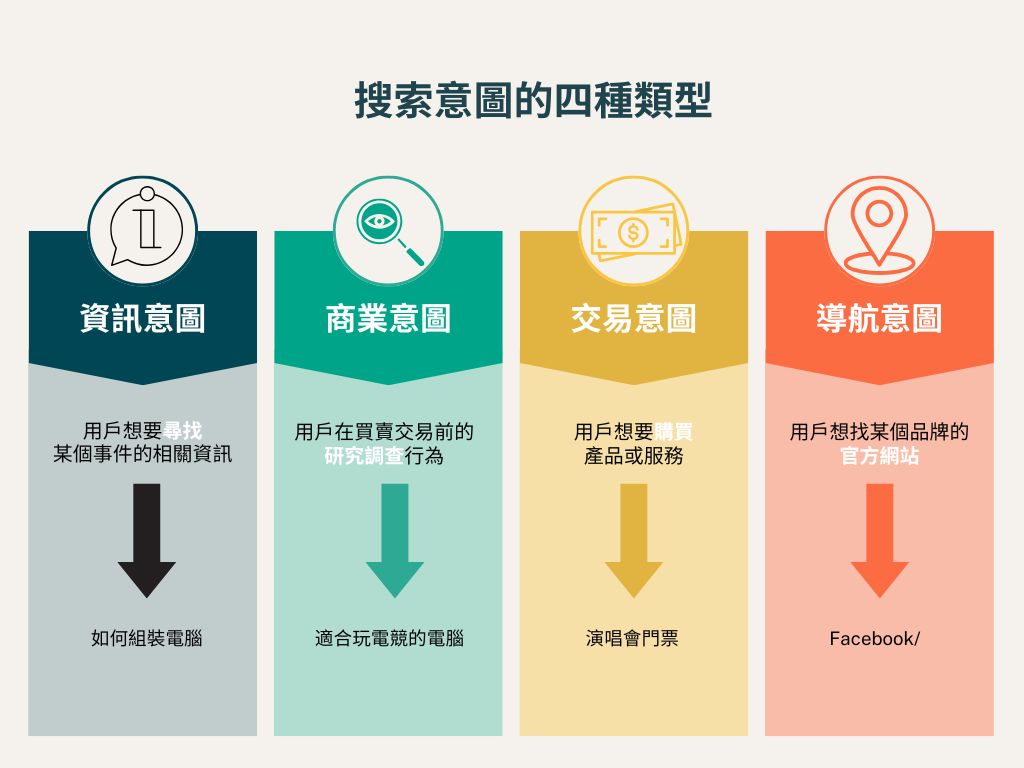
Informational keywords make up the majority of searches, indicating that users want tofindanswers to a question. For example, what the weather is like in a certain place, how to do something, or guides.
Commercial Intent
Users searching these terms are more likely to be in theresearchstage and have not yet decided whether to purchase a product or service. They might be comparing which product is better, which company offers better service, or which hotel provides more comfortable accommodation.
Transactional Intent
When users have completed their commercial research and are ready topurchasea product or service, they will search for transactional keywords. At this point, they already know what product or service they want to buy, so their search intent is clearer, and they just need to find the specific purchase page.
Navigational Intent
These keywords indicate that the user knows what page they are looking for, is searching for a specific website or product, and is simplylooking for an easier entry point. For example,
• Amazon
• Facebook
• Shopee
We will find that navigational intent keywords are mostly brand names. If you pay close attention, you’ll notice that when we analyze competitors, the main traffic keywords for large websites are brand names, followed by product names or informational intent keywords.
How to Determine Search Intent
We already know the four types of search intent, so how do we quickly determine which search type a particular query belongs to? We can differentiate based on the meaning of the keyword itself, by judging the SERP, and by common keywords that contain intent.
Meaning of the Keyword Itself
In fact, when we enter keywords, many times our needs and intentions are already expressed. By breaking down keywords into elements such as “verbs,” “nouns,” and “interrogative sentences,” we can gain a deeper understanding of the ideas represented by each part. This way, we can quickly grasp the user’s search intent and help them find the information that best meets their needs.
For example: when you see “easy strawberry cake recipe,” it’s very clear that the user wants to know the simplest strawberry cake recipe.
So, if you want to rank high on Google, you mustEnsure the page satisfies the search intent behind the keywords people are targeting.。
Judging by Google SERP
When we conduct keyword analysis, we’ll find that most keywords don’t contain the search terms mentioned above. So how do we determine what type of keyword it is? This is where SERP analysis comes in.
If we enter a keyword and find that many ads are displayed on the results page, and the organic rankings are almost all e-commerce platform websites, B2B websites, product pages, etc., then we can determine that this keyword likely falls under commercial intent or transactional intent.
If we enter a keyword and find that the SERP page results are blogs, news, and tutorial pages, then we can generally determine that this keyword is informational.
What is SERP? A more comprehensive SEO ranking optimization strategy starts with “search”!
Organize common keywords for judgment
Some users’ search intent can be quickly determined by their search terms, as shown in the table below:
| Informational Intent Informational | Commercial Intent Commercial | Transactional Intent Transactional | Navigational Intent Navigational |
| • How to • What • Why • When • Who | • Best • Vs • Review • Top • Near me | • Buy • Sale • Store • Coupon • Price • Discount • Product Name • Cheap | • Brand Name • Company Name |
Note!! “Mixed Intent.”
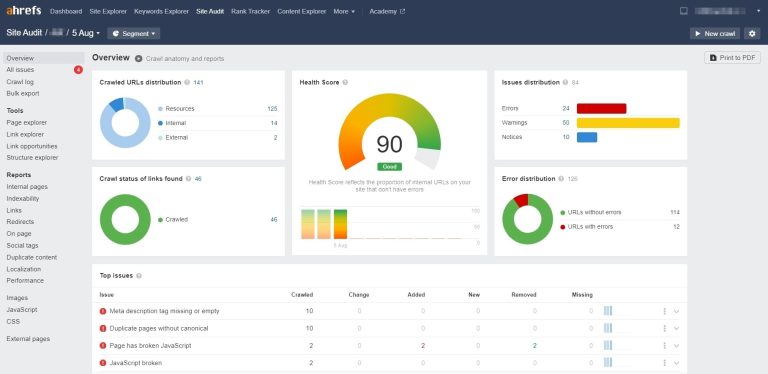
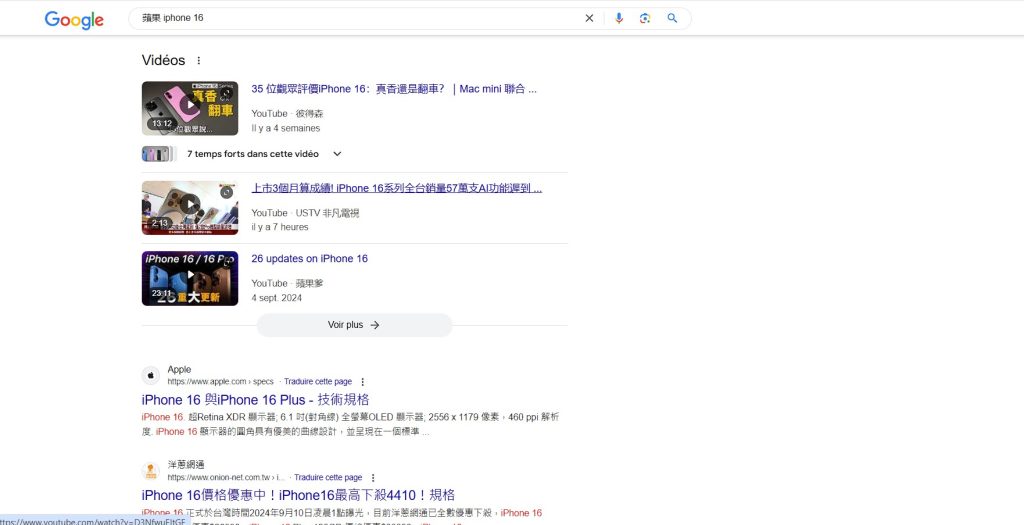
Additionally,Many keywords do not belong to just one search intent; they can belong to multiple search intents. We call this “mixed intent.”If we use Ahrefs to check the historical SERP data for a certain keyword and find that its ranking URLs frequently change, then we need to pay attention, because Google might also be unable to determine what content users are looking for when they search for this term.
Since it’s unclear whether the user’s intent is transactional, commercial, or informational, Google’s search results will include various types of results and SERP features to ensure they meet different search needs.
A common example is a search term for a specific product name, such as “iPhone 16.”
How to Optimize for Search Intent
Now that we know the search intent behind a certain term, how do we optimize for it?
Create Content Based on Search Intent
Search intent determines the type of page we need to compete with. If it’s an informational keyword, we might need to write a blog post. If it’s a commercial or transactional keyword, it could be presented as a blog post (many search queries containing “best” and “comparison” are often displayed as blog posts), or it could be a product page or product category page. For transactional keywords, there’s not much to say; they are product category pages or product pages, and we just need to do a good job with on-site optimization.
Create Content Based on SERP Type
What does this mean? We just talked about judging search intent based on SERP and creating content based on search intent, so why is there another SERP type?
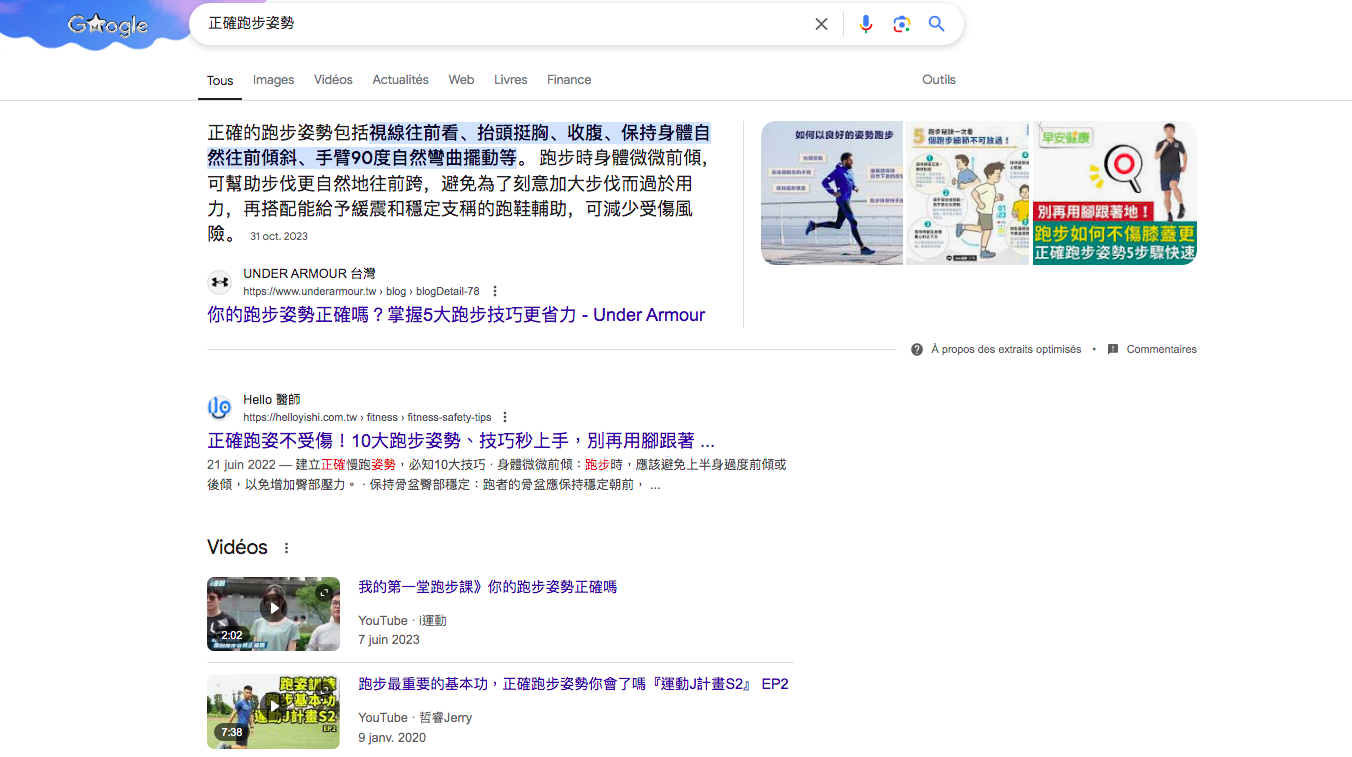
Even when the search intent is informational, we’ll find different types of SERPs, such as featured snippets, images, and videos. In these cases, we need to create corresponding content in different formats.
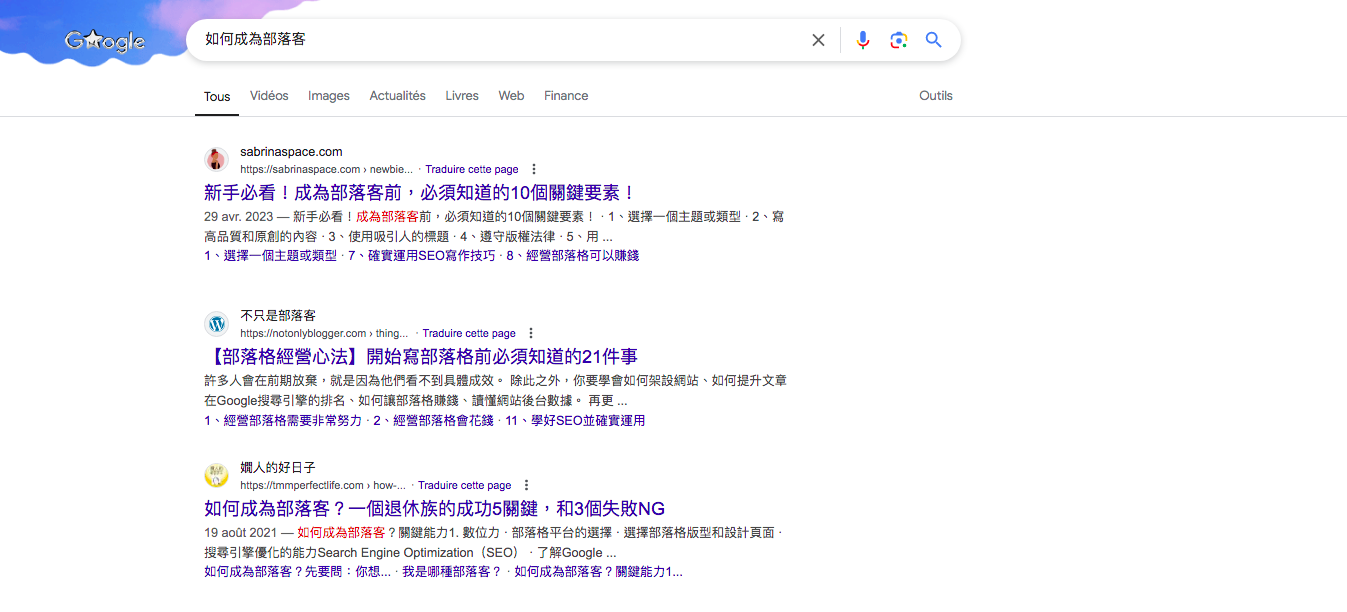
For example, if we search for “how to become a blogger” and the results page shows a list-type featured snippet, then when creating content for this topic, we should also consider using a step-by-step format, introducing the corresponding steps to the user one small point at a time.
When we search for “how to run correctly,” we’ll find many videos on the homepage. In this case, in addition to using a blog post, we can also consider whether we can create a video introduction.
Analyze the SERP Content of the First Two Pages
The first two discussions were about a large framework or category. Here, we’re going to discuss the content angle, specifically what the first two pages are writing about. We need to reference this and create even better content to surpass them.
If the search term page we want to compete for has a “People Also Ask” section, we can not only refer to competitors’ content but also pay attention to user thoughts and further satisfy user needs. This significantly increases the chances of the page achieving a good ranking.
To improve rankings, understanding search intent and providing high-quality content is crucial!
Analyzing search intent and creating content that aligns with the user’s underlying purpose for searching is the key to achieving good rankings. After combining this with keyword analysis, group the keywords according to different search intents.Finally, when doing SEO, be patient with your analysis to accurately understand how to match your website content with the search intent of each keyword. This will attract more highly engaged users and achieve higher conversion rates.
Frequently Asked Questions
What is Search Intent?
Search intent refers to the purpose behind a user’s keyword input, such as what answers they want to get, what actions they want to complete, or what problems they want to solve.
Why is Search Intent so important for SEO?
Because Google’s goal is to provide the best answers. If the page content doesn’t match the user’s intent, users will quickly bounce, leading to a drop in rankings. Understanding search intent helps to: 1. Develop more effective content strategies, 2. Create more relevant content, and 3. Achieve higher rankings in search results.
What are the four types of search intent?
There are four main types: 1. Informational intent (seeking answers, e.g., “how to brew coffee”); 2. Commercial intent (researching and comparing, e.g., “best laptops”); 3. Transactional intent (ready to buy, e.g., “buy iPhone 16”); 4. Navigational intent (looking for a specific website, e.g., “Facebook”).
How to quickly determine search intent?
You can determine it from three aspects: 1. Keyword meaning (e.g., keywords containing “how to” usually indicate informational intent); 2. Google SERP results (e-commerce pages often indicate transactional/commercial intent, blog posts often indicate informational intent); 3. Common keyword modifiers (e.g., “compare,” “price,” “brand name”).
What is mixed intent?
Some keywords contain multiple intents simultaneously. For example, “iPhone 16” might be searched by someone looking for reviews (commercial intent), someone looking to buy (transactional intent), or someone looking for the official website (navigational intent). This is considered mixed intent.
How to optimize content based on search intent?
1. Create content that matches the search intent (write blog posts for informational queries, optimize product pages for transactional queries); 2. Analyze SERP types (consider creating videos if video results appear); 3. Refer to the content on the first two pages and “People Also Ask” questions to create more comprehensive and relevant content.