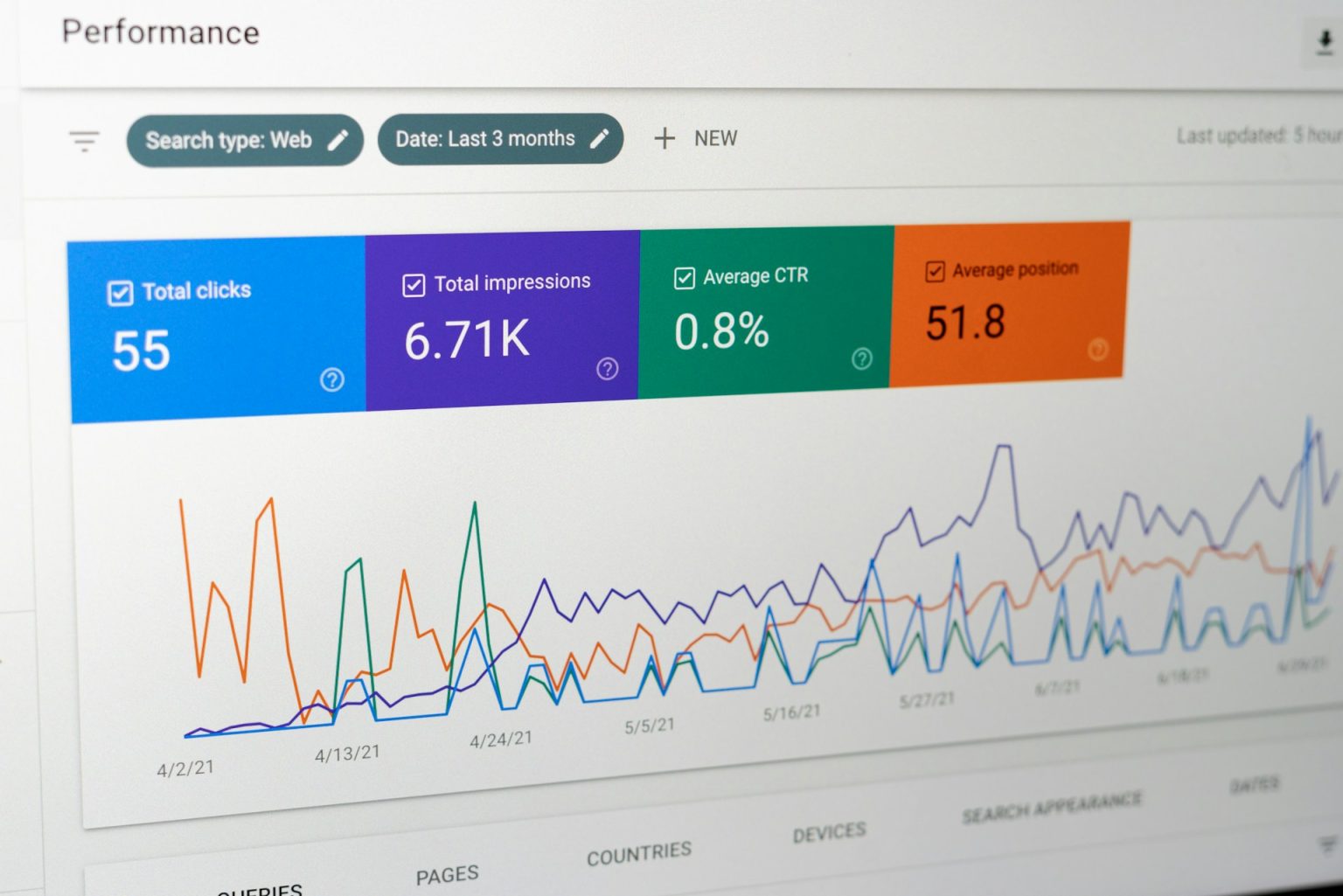
Suddenly noticed a sharp drop in website traffic? Whether it’s a decline in SEO rankings, the impact of a Google update, or a technical error, a drop in traffic is always anxiety-inducing. But don’t worry, with official Google tools and SEO analysis methods, you can quickly identify the cause and make corrections. This article will guide you step-by-step on how to diagnose the key issues causing your website traffic to drop and provide practical improvement suggestions to help you quickly recover traffic and boost rankings!
What could be the reasons for a sharp drop in website traffic?
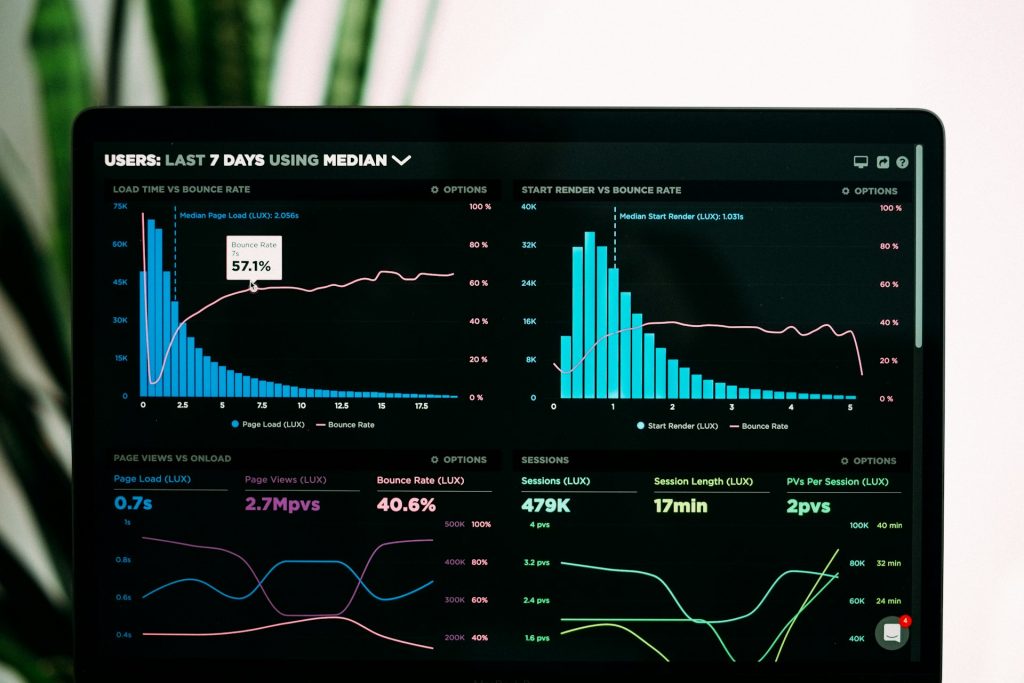
When your website traffic suddenly drops significantly, don’t panic! This could be the result of multiple factors, including Google search algorithm updates, technical errors, increased content competition, changes in external links, or even changes in user behavior. Any of these could cause this situation. Here are some of the most common reasons:
1. Google Core Algorithm Updates
Google regularly updates its search algorithms to improve the quality of search results. When your website content no longer meets the requirements of the new algorithm, your rankings may be significantly adjusted, which may indicate that your SEO strategy needs to be adjusted. For example, in 2023, Google improved its E-E-A-T standards. If your website content does not meet these standards, it may lead to a drop in rankings.
2. Technical Issues Preventing Your Website from Being Correctly Indexed
If Google cannot correctly crawl or index your website, search rankings will naturally be affected. Common technical issues include:
- Indexing errors: Website pages are not indexed by Google or are suddenly removed.
- Slow website speed: Long loading times can lead to users bouncing, affecting rankings.
- Crawl errors: Incorrect robots.txt settings prevent Google from crawling your important content.
All of these can cause unstable website traffic!

3. Declining Content Quality or Rising Competitors
As SEO trends constantly change, outdated content or your competitors publishing higher quality, more comprehensive content can cause a significant drop in the ranking of your website’s previously high-ranking content. When this happens, it means that the content you currently provide may no longer meet Google’s standards, or your competitors’ content is more valuable than yours.
4. Security issues or manual penalties for your website
If your website has security issues, such as an expired HTTPS certificate or a malicious attack, Google may display a warning before users reach your site. This can lead to a decrease in inbound traffic (users may be hesitant to click on your site), which in turn affects your website’s ranking.
Alternatively, if your website has violated Google’s guidelines and received a manual penalty, preventing some of your web pages or your entire website from appearing in search results, Google may reduce your visibility.
5. Changes in user behavior (decreased demand, changed search trends)
SEO is not static. Due to market changes, seasonal demand, and even social media trends, the search volume for certain keywords may decrease. For example, search volumes related to travel, shopping, and holidays may change over time. More and more users are also searching directly through Instagram, TikTok, and YouTube, rather than through Google. Changes in user behavior can also lead to changes in traffic.
How to check the cause of website traffic decline?

A sudden drop in website traffic can be unsettling, but don’t worry, the cause of traffic decline can usually be found through a systematic check and appropriate measures can be taken to fix it. Let’s look at a few key steps to help you identify the problem.
Confirm if it’s a data error
First, check if your analytics tools (such as Google Analytics, Google Search Console) are working properly. Sometimes, data anomalies can be due to missing tracking codes, incorrect settings, or issues with the tools themselves. You can try to:
- Test the website using different devices or networks
- Check the “Realtime report” in Google Analytics to confirm if there are real-time visitors
- Ensure GA tag is correctly installed and test within Google Tag Manager.
👉 Recommended method: Regularly useGoogle Search Consoleto check indexing status / website health.
Check for technical issues on the website.
If traffic drops sharply, there might be an issue with the website itself. You can:
- Test if the website loads normally (you can use Google PageSpeed Insights to test speed).
- Use Google Search Console to check for indexing issues or manual penalties.
- Ensure the website has not been hacked or affected by malware.
👉 Recommended method: UseGoogle Search Consoleto view security issue reports.
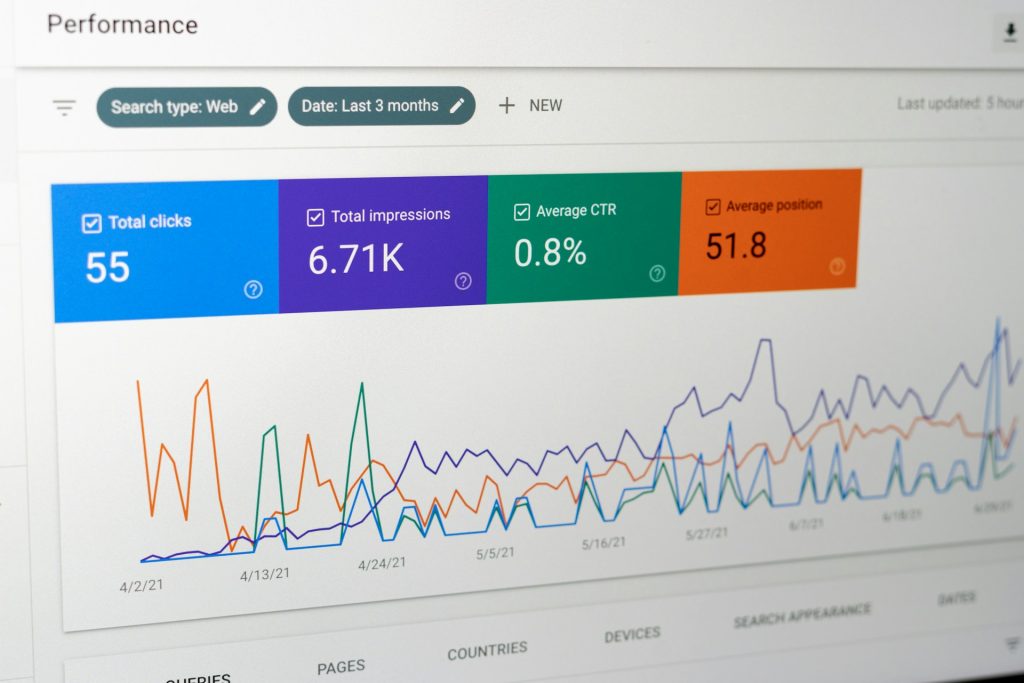
Observe for Google algorithm updates.
Google search algorithms are updated regularly, which may affect your website’s ranking. You can find out throughGoogle Search Officialor the SEO community to confirm if there have been any large-scale changes recently. If your keyword rankings have dropped significantly, it might be due to an algorithm change. You can:
- Check which pages are most affected and evaluate content quality
- Ensure content complies with the latest algorithm
- Observe if competitors are also affected
👉 Suggested method: Regularly checkGoogle Official Blogto understand recent algorithm updates. Monitor your website traffic changes before and after updates.
Have competitors gotten stronger?
Sometimes, a drop in traffic isn’t your fault, but rather your competitors improving their SEO strategies. You can:
- Use Ahrefs or SEMrush to check changes in competitors’ keyword rankings
- Check if new competitors have entered the market and are taking your rankings
- Analyze their content to see if it’s more comprehensive or innovative than yours.
👉 Suggested method: Use SEO tools like Ahrefs, SEMrush to analyze competitor content, and throughGoogle Trendsunderstand if search trends have changed.
Is your content or keywords outdated?
If your content isn’t updated regularly, Google might lower its ranking. Additionally, the search volume for certain keywords might have decreased. You can:
- Use Google Trends to check if your main keywords are still popular.
- Re-optimize old articles by adding the latest information and data.
- Increase internal links to improve the SEO performance of old articles.
👉 How to check: UseGoogle Trendsto understand keyword search trends and adjust your content strategy.
Suggestions for improving a significant drop in website traffic

Once you’ve identified the real reason for the significant drop in traffic, you can implement corresponding solutions. Here are some common solutions:
Google Algorithm Updates: Adjusting SEO Strategies for Google Core Algorithm Changes
When you find that your problem is related to an algorithm update, it is recommended that you delve into the specific changes of the latest algorithm and adjust your SEO strategy. For example, in 2023, Google improved the E-E-A-T algorithm standard. You can improve based on the guidance of the new algorithm:
- Improve the quality of your website content, providing more in-depth and professional information.
- Increase website credibility, such as author bios, citing authoritative data, and adding user reviews.
- Ensure your website has high-quality backlinks to enhance authority.
Technical Issues: Fixing Technical Errors to Ensure Website Health
Technical issues can affect Google’s ability to crawl and index your website, leading to a drop in traffic. First, fix indexing errors to ensure all important pages are correctly indexed by Google, and remove pages that no longer need to be indexed. You can also improve your website’s loading speed by compressing images and enabling browser caching. At the same time, regularly check website security to ensure HTTPS certificates are working properly and prevent malicious software from affecting rankings.
Outdated Content, Rise of Competitors: Strengthening Content Marketing, Emphasizing User Experience
If your content fails to meet the latest user needs, Google may lower your ranking. Or, if your competitors start providing higher quality content, it could lead to a drop in your traffic. You can continuously optimize content marketing to ensure it matches searchers’ needs. Or, strengthen user experience (UX); if your website has a high bounce rate or short dwell time, it may affect rankings. Improvement methods:
- Regularly update old articles, supplementing with the latest information, data, and case studies.
- Increase multimedia content (images, videos, charts) to boost user engagement.
- Optimize page design: Use FAQs, tables of contents, and internal links to enhance article structure and improve readability.
- Reduce ads and pop-ups to avoid affecting user experience.
- Use CTAs (Call to Action) to guide visitors to further explore website content and increase interaction rates.
Conclusion: A drop in traffic is not scary; the right response can quickly bring it back up!
A drop in website traffic is not scary; the key is to identify the problem and improve it through appropriate SEO optimization strategies. You can use Google SEO tools to analyze influencing factors, and then optimize for issues such as algorithm changes, technical errors, content quality, and link structure.
SEO is a long-term strategic optimization, and normal short-term fluctuations are highly likely to occur. Through correct diagnosis and continuous monitoring and adjustment, as long as the right actions are taken, website traffic can gradually recover and even become stronger than before!
📌 Official Reference Links:
Google Search Console Guide to Troubleshooting Traffic Drops 👉Official Explanation
How to Adjust SEO Strategy to Respond to Google Updates 👉Google Official Blog
Other Possible Factors Affecting SEO Ranking 👉Official Explanation
Frequently Asked Questions
What are the common reasons for a significant drop in website traffic?
Common reasons include: 1. Google core algorithm updates; 2. Technical issues such as indexing errors, slow website speed, or robots.txt errors; 3. Declining content quality or superior competitor content; 4. Website security issues or manual penalties; 5. Changes in user behavior and search trends.
How do I check the reasons for a drop in website traffic?
Checking steps: 1. Confirm if it’s a data error (is GA, GSC tracking normal?); 2. Check for website technical issues (speed, indexing, security); 3. Observe if there have been Google algorithm updates; 4. Have competitors improved their SEO strategies?; 5. Is content or keywords outdated?
What should I do if website traffic drops after a Google algorithm update?
If traffic drops due to a Google update, it is recommended to improve content quality and professionalism, increase trustworthiness (E-E-A-T), for example, by adding author bios, citing authoritative sources, optimizing structured data, and ensuring the website has high-quality backlinks.
Do technical issues affect SEO?
Yes. Common technical issues such as indexing errors, slow website speed, expired HTTPS certificates, and malware intrusions can all prevent Google from crawling normally or lead to user churn, thereby affecting rankings. It is recommended to regularly check and fix errors through Google Search Console.
If content is outdated or competitors are rising, how can I improve?
You should regularly update articles, supplement them with the latest data, cases, and keywords, and enhance user experience (add multimedia, FAQs, internal links). At the same time, observe competitor content, optimize your own structure and value, and maintain search relevance.
When website traffic drops, what practical improvement suggestions are there?
Improvement methods include: 1. Adjusting SEO strategy to comply with the latest Google algorithms; 2. Fixing technical errors to improve website speed and security; 3. Continuously strengthening content marketing to ensure content meets user needs; 4. Enhancing user experience (reducing bounce rate, increasing interaction); 5. Continuously tracking and optimizing keyword performance.