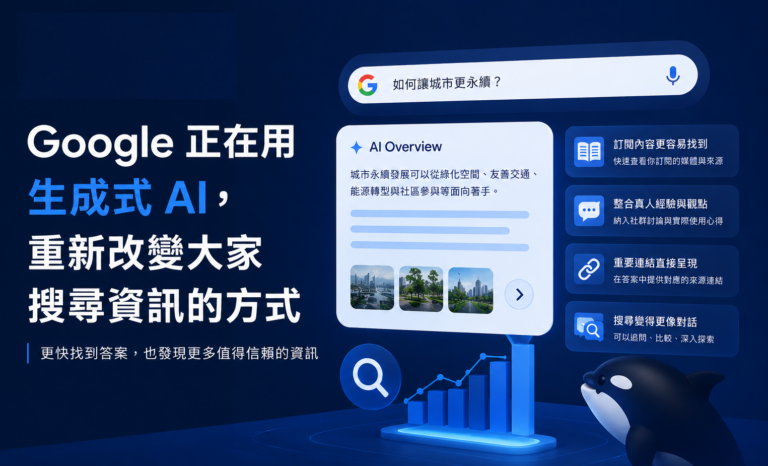
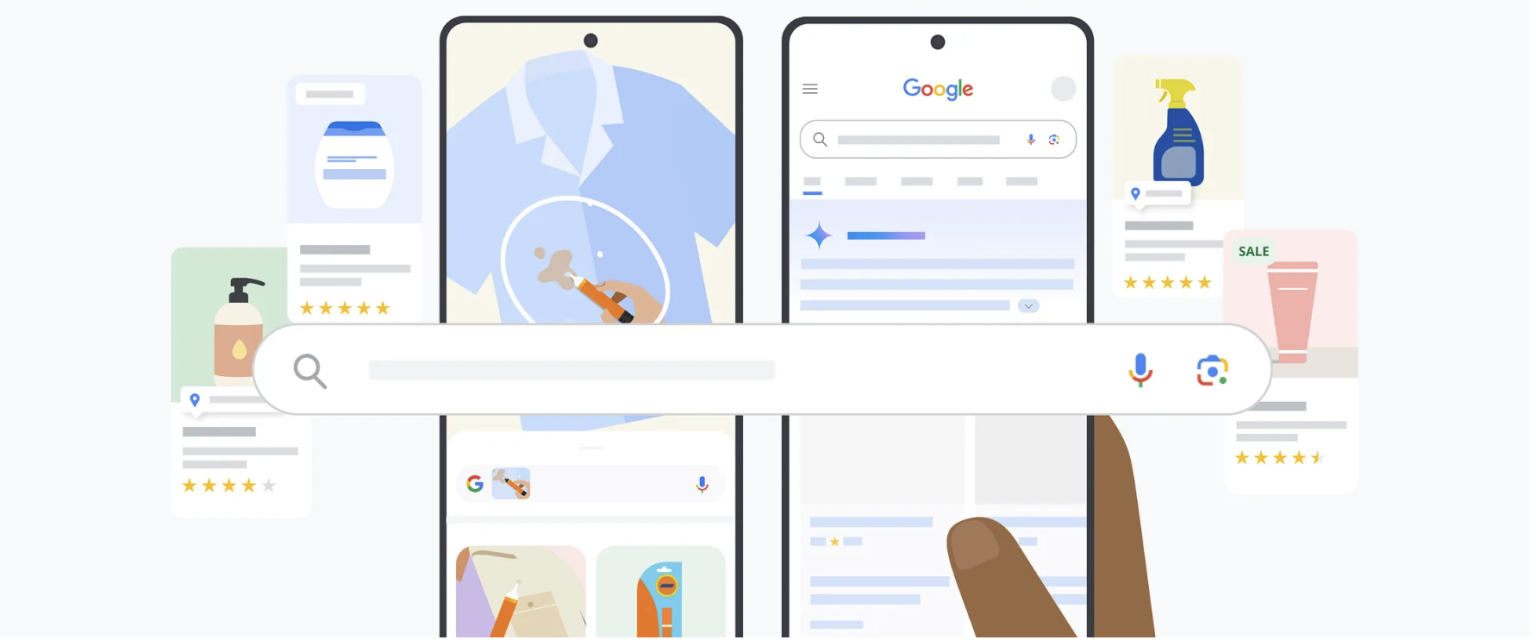
After Google AI Overviews launched, one of the most common questions we heard was: “Is SEO still useful? Will AI replace it?”
In reality, SEO has become even more important in the generative AI search era. Now we need to analyze the chances of our keywords appearing in AI summaries and search results, and we need higher-quality content optimization if we want to win visibility in AI Overviews and rankings.
AI is rewriting the rules of search, and if you know how to combine AI + SEO, you can turn AI Overviews into a major opportunity.
- Best for marketers, editors, SEO teams, and technical teams
- What you will learn: understand AI Overviews -> earn visibility -> verify traffic results with KPIs
2025 Update
Since Google launched AI Overviews in the U.S. in 2024, zero-click search has become even more common. Users get an integrated answer at the top of SERP, and average CTR has dropped by more than 13%. In 2025, Google expanded AI Overviews to more than 100 countries and regions and made Gemini 2.0 the core inference engine.
- Authoritative content can be consumed in one glance, which reduces CTR.
- Semantics matter more than keywords. E-E-A-T and search intent become even more important.
- Technical SEO directly affects visibility. Structured data and Core Web Vitals influence how AI Overviews are displayed.
Winning in this new environment does not mean abandoning SEO. It means upgrading SEO into a full-funnel strategy that helps AI cite your content and helps your traffic stay on the page.
What Are Google AI Overviews?

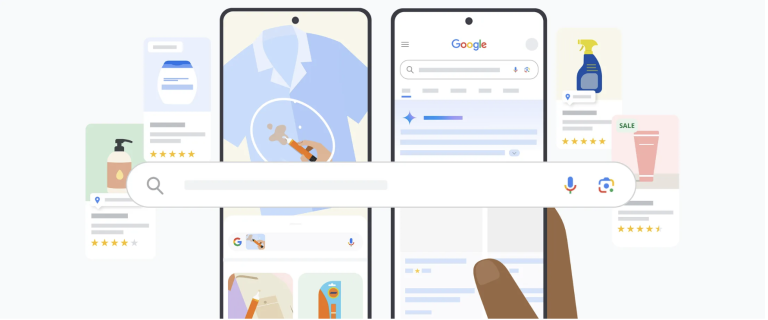
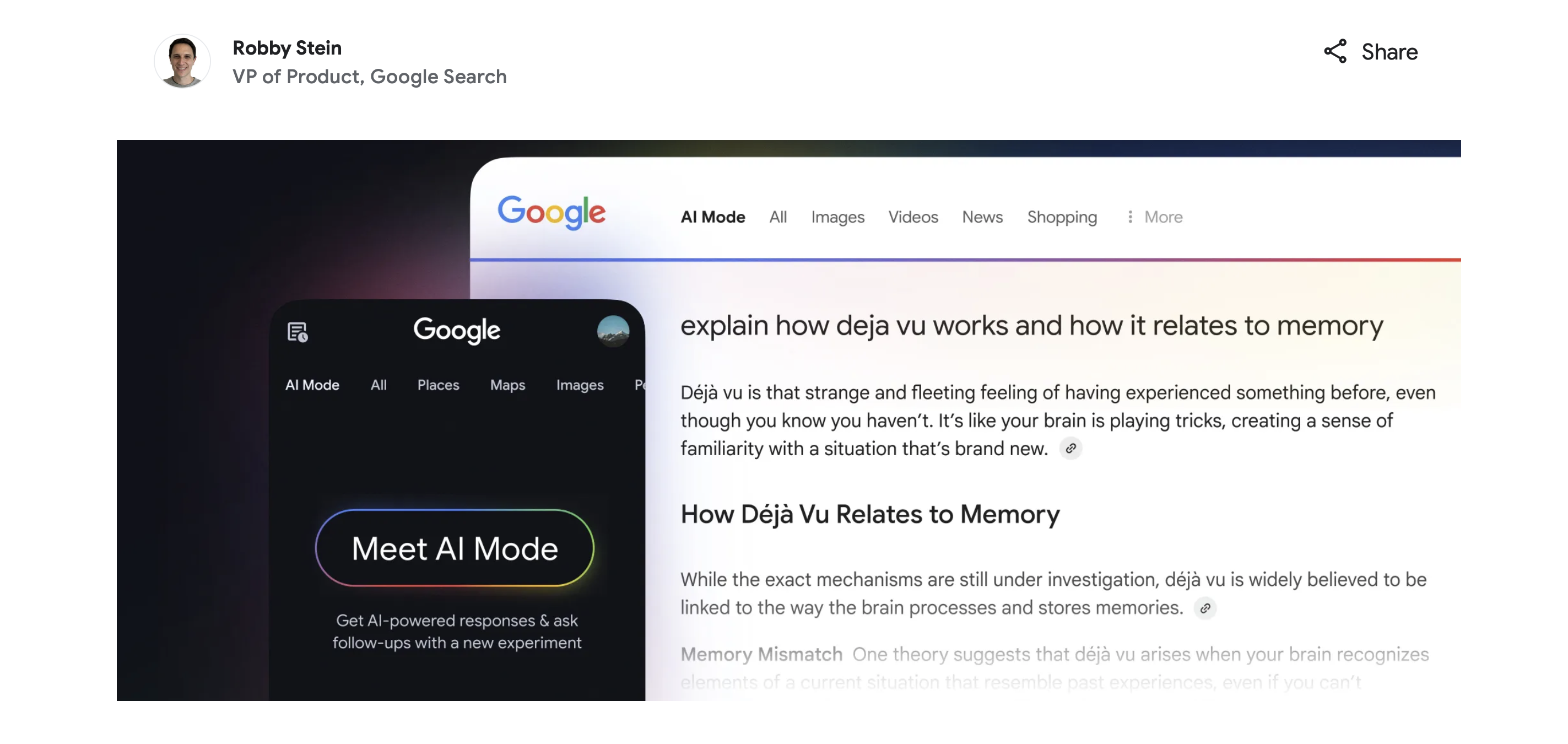
(Image source: Google AI Mode)
According to Google, more than one billion people have used AI Overviews. Unlike featured snippets, which pull content from a single site, AI Overviews use AI to combine information from multiple authoritative sources so users can get a richer answer from different perspectives.
1. It takes over the SERP in a very direct way
| Key point | Explanation |
|---|---|
| Placement | Appears below ads and above organic results, making it especially visible on mobile. |
| How it works | Gemini 2.0 crawls multiple sources, clusters semantic vectors, and combines the best paragraphs. |
| Difference from featured snippets | Featured snippets use one site and one excerpt, while AIO uses multiple sites and multiple excerpts with source attribution. |
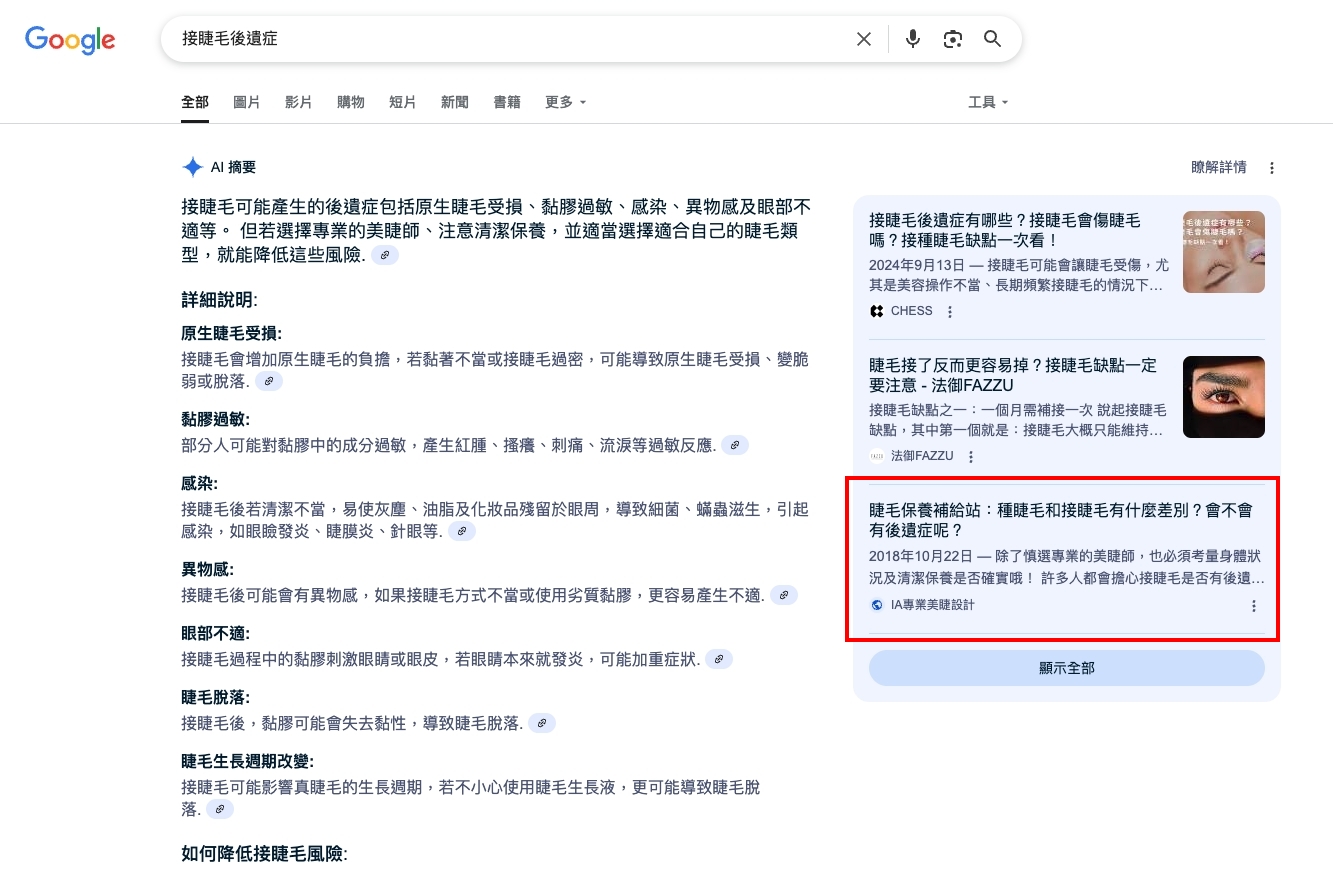
Traditional SERP layouts can include featured snippets, ads, or organic results. In some searches, the top of the page now shows an AI summary with source links on the right. You can even click the small link markers attached to individual sentences to see exactly where each fact came from.
2. Gemini 2.0 makes the answer feel more personal
In early 2025, Google upgraded AI Overviews to Gemini 2.0 to help with more difficult queries. The first testing areas included coding, advanced math, and multimodal search. Google also introduced the experimental AI Mode to help users verify information and explore related topics, which should further increase zero-click search behavior.
How AI Overviews Change User Behavior
| Search stage | Before | Now | Impact |
|---|---|---|---|
| Finding an answer | Click a result and open a site | Read the summary immediately | CTR drops |
| Comparing information | Open many tabs | Summaries show pros and cons at once | Information density rises |
| Taking the next action | Click based on trust in the brand | Choose a link after reading the summary | E-E-A-T becomes even more important |