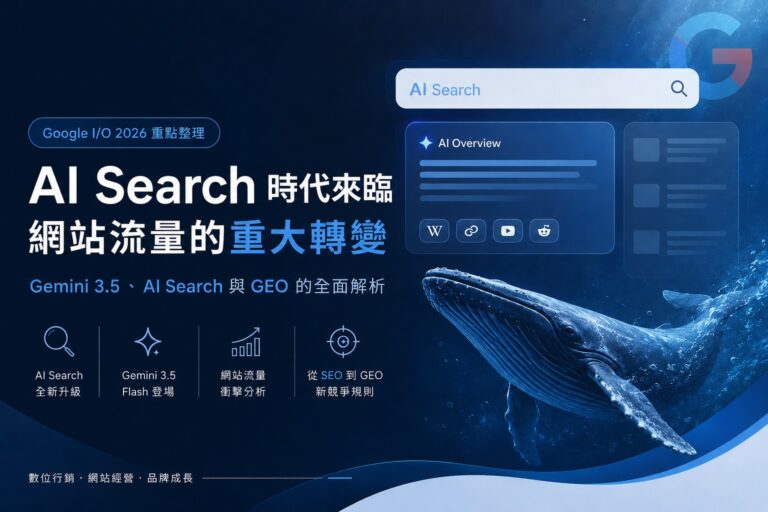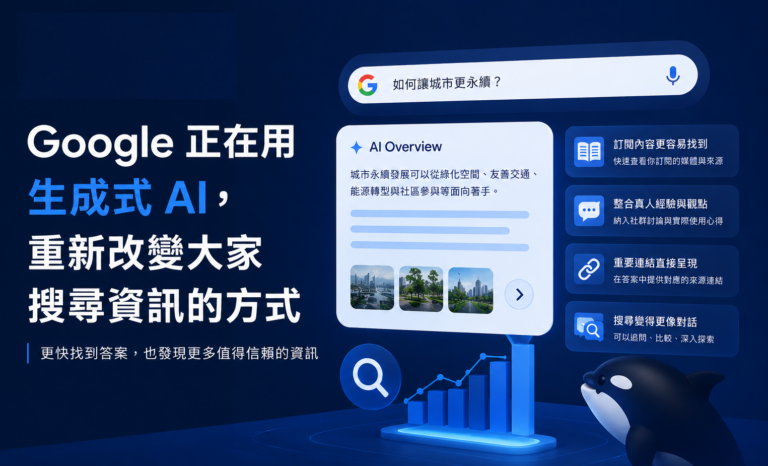
At Google I/O 2025, Google showed that Search is moving into a new AI agent era. Powered by Gemini 2.5, search is no longer just about finding answers. It is becoming a system that can understand your request and help complete tasks. From travel planning and shopping decisions to content summarization, AI is changing how we interact with search.
This article quickly covers the biggest highlights from Google I/O 2025 and explains what they mean for content creators and SEO strategy.
What is Google I/O, and why does it matter every year?

Google I/O is Google’s annual developer conference. Since 2008, it has become one of the most important events for understanding Google’s product direction and technical strategy.
The event is aimed at developers, designers, and engineers, but it also shows the world where Google is headed next. In 2025, the biggest shift was not just a new feature release. It was the moment AI became truly practical across search, everyday tools, hardware, and cloud services.
Google emphasized that its products are evolving from tools into smart assistants through the Gemini ecosystem.
2025 Google I/O highlights
| Category | Highlight | What it means |
| AI and search | AI Mode in Google Search | Search shifts from keyword lookup to task-driven, multi-step reasoning |
| Gemini 2.5 model launch | Supports text, image, voice, and video inputs with stronger long-form understanding | |
| Gemini integration across Google products | Gmail, Docs, Maps, and Chrome get smarter assistant capabilities | |
| Hardware and OS | Pixel 9 series and Pixel Fold 2 | New devices ship with Gemini Nano and native AI features |
| Wear OS 5 | Better battery life and health tracking | |
| Android 15 | More privacy, deeper AI integration, and improved multi-device UX | |
| Developer ecosystem | Gemini API open access | Developers can build AI apps on Google Cloud |
| Project Astra | A visual AI assistant prototype with real-time camera recognition | |
| Firebase and Android Studio updates | Faster tooling and AI coding support |
These updates change much more than developer tools. They affect how people search, how content is created, and how Google understands information. AI in search will be one of the biggest SEO shifts of the coming years.
AI search evolution: from finding information to getting things done
In the past, search meant typing keywords, scanning links, and deciding on your own. In 2025, Google Search officially moved into a new phase: AI Mode.
How AI Mode changes search logic
AI Mode is not just a nicer interface. It is a new search logic built around semantic understanding and task completion. Google is no longer just providing links. It is helping users finish the job.
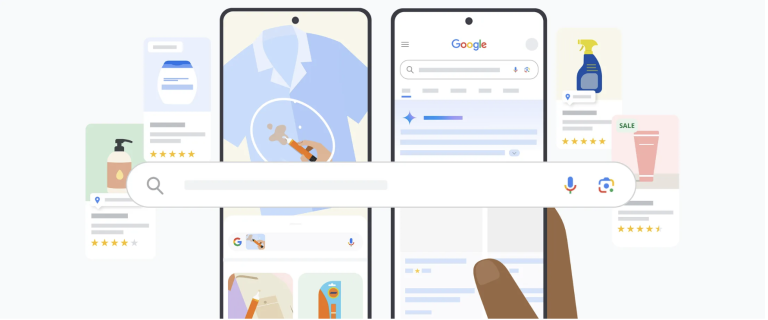
For example, if you ask for a three-day family trip to Hokkaido in summer, AI Mode can combine transportation, weather, highly rated attractions, route planning, and even budget estimates. If you search for a travel bag for a May trip to Portland, it can infer that you need something waterproof, durable, and easy to open, then show matching products directly.
These multi-step tasks can now be triggered with a single sentence.
The difference between SGE and AI Mode
AI Mode goes beyond Search Generative Experience. SGE was strong at generating summaries. AI Mode behaves more like a conversational assistant that can help with actions and tasks.
That means search is moving into a semantic, multimodal era. Whether you type text, upload an image, or speak a prompt, Google can understand context and respond with actual task support.
You may also like: Google SGE generative search engine – SEO strategy for the AI search era
Gemini 2.5: the engine behind a smarter search assistant
Search is no longer just answering
If AI Mode is the surface of the new search experience, Gemini 2.5 is the engine behind it. This upgraded multimodal model can understand text, images, video, and voice, and it is designed to understand intent, not just respond to input.
Search is moving from input and response to understand, assist, and act.
For example, if you ask Gemini to summarize a PDF meeting note and recommend relevant solutions, it can extract the key issues and suggest tools or workflows. That is useful not only for personal users, but also for creators and marketers.
Multimedia and real-world use cases
Google is integrating Gemini into Search, Gmail, Docs, and Chrome so users can accomplish tasks across products without switching tools. Search is becoming the starting point for action.
Gemini’s multimodal ability also expands SEO. Image SEO, video transcript understanding, and audio semantics will become part of how search evaluates content.
What this means for creators and SEO

When Google can answer questions directly and complete tasks for users, content creators naturally ask: do we still need to write articles?
The answer is yes. Google still relies heavily on high-quality original content. In fact, human experience and originality are becoming even more important. Strong content can still be cited by AI and can gain visibility through those references.
This makes E-E-A-T more important than ever. Content should not just repeat keywords. It should show real experience, clear structure, and genuine value.
So content writing is still essential, but the goal is changing. We now need to create content that is useful for both users and AI systems.
You may also like: E-E-A-T explained: how to improve quality, expertise, and trust
Future content strategy: from SEO to AEO
If Google uses AI to complete tasks, content strategy has to change too. Traditional SEO still matters, but AI Mode is more interested in whether your content can solve the user’s full scenario.
That is where AEO, or Answer Engine Optimization, comes in. The goal is not just to be found. It is to be used, cited, and summarized by AI as part of an actionable answer.
Some practical AEO ideas:
| Area | Practical advice |
| Semantic structure | Use question-led writing and build pillar, cluster, and Q&A structures |
| Structured data | Use schema such as HowTo, FAQ, Product, ImageObject, and VideoObject |
| Multimedia support | Use images, charts, and videos that help multimodal understanding |
| Deep links and anchors | Use anchor IDs and clear page navigation for easy extraction |
| E-E-A-T | Show author background, experience, and sources clearly |
| Monitoring | Track AI visibility and clicks in Search Console and related tools |
The core idea is simple: content should be clear enough for humans, and structured enough for AI to understand, cite, and use.
AI search is not the end of content creation. It is the beginning of a new kind of high-value knowledge asset.
You may also like: How should content change after Google AI Overviews?
Conclusion: the future of search is here
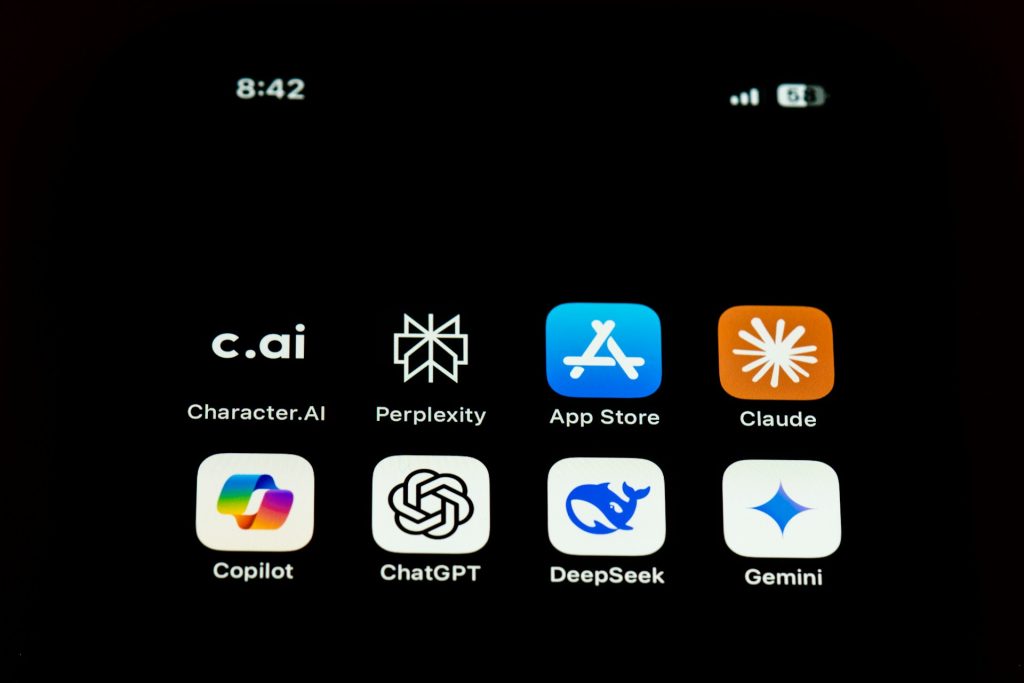
At Google I/O 2025, Google used AI Mode and Gemini 2.5 to make one thing very clear: search is moving beyond finding answers and into understanding, assisting, and completing tasks. For users, that means a smoother and more helpful experience. For creators and SEO teams, it means a major shift in how we plan and write content.
The content of the future will need to be understandable by people and also usable by AI. That is the new standard. If your content can meet real user needs and provide clear value, it can still be discovered, cited, and trusted in the AI search era.
Official references: