
In the fierce market competition, many businesses find their website traffic stagnating and rankings difficult to improve. This is often because they overlook an important SEO strategy:Long-tail keyword optimization. This article will delve into the potential of long-tail keywords and their optimization methods, helping you uncover hidden business opportunities and boost website traffic and conversion rates.
What are Long-tail keywords?
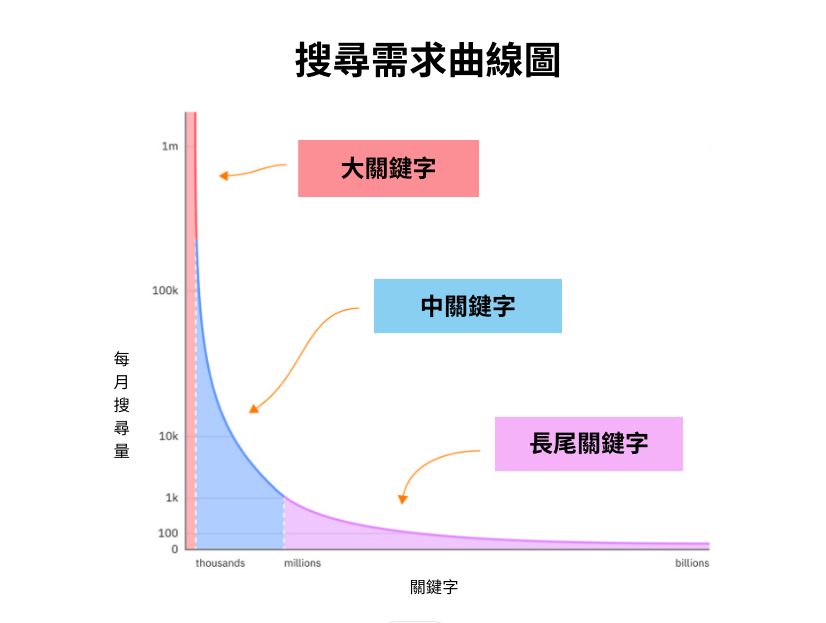
Long-tail keywords are extended, more precise keyword phrasesthat people might use in search engines when they are about to make a purchase or use voice search. Typically,long-tail keywords are longer search terms, consisting of three to five words, and have a highly specific search intent. Because these keywords are more specific and unique, their search volume is usually lower. However, because these long-tail terms are more targeted, they better reflect how people conduct queries.because they are less competitive and have higher conversion rates than generic keywords。
Long-tail keyword examples
| Broad keywords | Medium keywords | Long-tail keywords |
| Coffee brewing | Coffee brewing methods | Coffee brewing methods for beginners |
| SEO | SEO tools | SEO tools for keyword and ranking research |
| Shoes | Work shoes | Comfortable work shoes |
| Laptop | Gaming laptop | Best gaming laptops 2025 |
Advantages of Long-Tail Keyword SEO
By now, you probably understand the benefits that a long-tail SEO strategy can bring you. Next, let’s look at the advantages if you cleverly use these terms in your SEO strategy.
Better SERP Rankings
Although long-tail keywords generate less traffic, they account for 75% of searches (along with medium-tail keywords), while the rest is for broad keyword searches. Due to lower competition, you can rank prominently in search results and attract relevant traffic.
Increased Conversion Rate
Targeting more specific long-tail keywords can help you attract more qualified leads. Users who use long-tail keywords likely already know what they are looking for, and by targeting correctly, you can better meet their needs. Or in other words,Matching user search intent will be the main factor affecting relevant rankings.。
What is Search Intent? A complete analysis of why it’s so important for SEO rankings!
Effective Content Strategy
In terms of SEO, content is still king,Long-tail keywords can help you create more useful content that directly addresses user concerns and problems.Researching relevant long-tail keywords can help you identify popular in-depth topics, and you can customize your content to provide more value. The more helpful users find your content, the more likely they are to build trust with your website and brand, which also means users will spend more time browsing your website.Increase User Engagement。
Long-tail keywords can personalize your content, allowing you to target relevant descriptive terms such as location, gender, age group, etc. Not to mention,location-based long-tail keywords are fundamental for local SEO. Therefore, optimizing your business page is also important, as it helps improve visibility in Google Maps.Long-tail keyword optimization is a powerful strategy for local businesses to increase online visibility and attract more customers.。
In SEO, long-tail keywords can also help improve your blog strategy. These phrases give you more room to explore a wider range of niche topics within your industry, helping you establish yourself as a go-to source of knowledge and boost your industry authority. It also signals to Google that you have high EEAT standards, indicating that your content is of high quality and value.
What is E-E-A-T? Google Search Quality Guidelines Update: How to Improve Content Quality?
Lower Competition
Short-tail keywords are harder to rank for because countless other businesses are trying to rank for the same one or two words simultaneously (e.g., “SEO,” “digital marketing,” “online advertising,” etc.). In contrast, long-tail keywords are less targeted, which means they are easier to rank for.
More Future-Proof
In 2023, 27% of searches were conducted via voice in the Google app. Furthermore, experts predict that 80% of voice searches this year will be conversational, meaning users will be more likely to use long-tail keywords.As voice search becomes more prevalent, using long-tail phrases makes more sense.
For example, a voice search query might be “Where can I find the best pizza delivery near me?” instead of simply typing “pizza delivery.”
To optimize for voice search, long-tail keywords must be incorporated into website content and meta tags, and natural language schema markup should be created to help search engines understand the context of the website’s content.
Additionally, it’s crucial to ensure the website is mobile-friendly, as many voice search queries are performed on mobile devices. By optimizing for long-tail keywords and focusing on natural language, businesses can improve their visibility in voice search results and reach users who employ this search method.
Long-Tail Keyword SEO Strategy
Conduct Keyword Research
Keyword research involves identifying the search terms most relevant to your business, which people might use on Google or other search engines when they have a specific goal. Focus on low-competition long-tail keywords that align with your brand, audience’s search intent, and business goals.
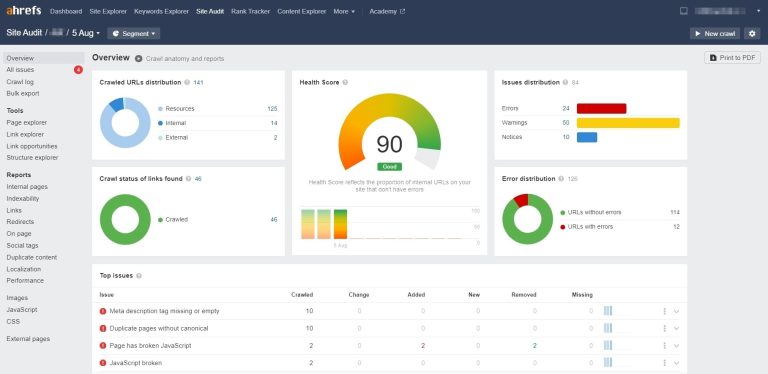
You can always useAhrefs orGoogle Keyword Planner research tools to see which keywords they are trying to rank for, providing you with valuable insights into exploitable opportunities.
Customize Your Content
After identifying the keywords you want to target, you can incorporate them into existing content or develop new targeted content. Whichever path you choose, it’s essential to ensure that you produce high-quality, rich content that naturally integrates your keywords and ensures your content aligns with user intent.
Optimize Your Pages
Long-tail keywords are also very valuable for page optimization. For example, they are excellent for placing internal links, providing visitors with more relevant content. This will also improve the SEO website structure for bot crawling.
Additionally, long-tail keywords can be used to optimize metadata such as titles, tags, and descriptions. Your image alt text can also benefit from keywords, as alt text is the only way Google can determine the content of images on your site.

Measure Performance
Tools like Google Search Console, Google Analytics, and other more comprehensive tools can help you measure the execution of your strategy. You can check the ranking of your target keywords, how much traffic they can generate, the most visited websites, the average time visitors spend on your site, and also track your conversion rates.
Based on the data you collect, you can refine your strategy, add new keywords, modify your content, and further optimize your website. As mentioned earlier, once you have gathered enough information, you can try to rank for related short-tail keywords to attract more potential traffic.
Make good use of GA4 and Search Console for more effective SEO optimization!
Choose Backlinks
To maximize the potential of your long-tail SEO strategy, you can also consider sharing your content in email newsletters, social platforms, and relevant websites to expand your reach and attract backlinks. You can also try guest posting on reputable and relevant websites and adding backlinks to your content on your website, incorporating long-tail keywords. This can help you further improve your visibility and authority.
Target Search Visitors with Clear Intent
Long-tail keywords allow your website to more precisely match user intent, and your audience can find the content they want faster, creating a win-win situation. Through effective long-tail keyword optimization, you can avoid fierce competition for popular keywords and quickly boost website traffic and conversion rates.
Frequently Asked Questions
What are Long-tail keywords?
Long-tail keywords are search terms consisting of three to five words, usually with higher specificity and search intent. Although their search volume is relatively low, their conversion rate is often higher than that of short-tail keywords due to less competition and clear intent.
What are the SEO advantages of using long-tail keywords?
Long-tail keywords can improve SERP rankings, increase conversion rates, support effective content strategies, reduce competition difficulty, and better respond to voice search and future SEO trends.
Why do long-tail keywords increase conversion rates?
Searchers using long-tail keywords usually already know what they need and have clear search intent, making them more likely to become qualified customers and leading to higher conversion rates.
How are long-tail keywords applied to voice search?
Voice searches are mostly conversational queries, such as “Where is the best pizza near me?” These are long-tail question-type keywords. When optimizing content, natural language patterns should be incorporated, and the website should be mobile-friendly to improve visibility in voice search results.
How to conduct long-tail keyword research?
Tools like Google Keyword Planner and Ahrefs can be used to find keywords with low competition that meet audience needs. A content strategy should then be built based on search intent to ensure it aligns with user needs.
How should long-tail keywords be applied in content and page optimization?
Long-tail keywords can be naturally integrated into titles, paragraphs, meta descriptions, image alt text, and internal links, helping search engines understand the content topic and strengthening the website structure.
How to Track the Performance of Long-Tail Keywords?
You can use Google Search Console, GA4, or other SEO tools to track the ranking, traffic sources, dwell time, and conversion rate of long-tail keywords, and adjust your strategy based on the data.
Are long-tail keywords suitable for local SEO?
Yes, localized long-tail keywords (such as “affordable Italian restaurant Taipei”) can help businesses gain higher visibility in Google Maps and local search results, which is especially effective for small businesses.