
As brands expand internationally, a well-planned multilingual site structure becomes essential. If search engines cannot tell which language or region a page is for, rankings suffer and users have a harder time finding the right content.
The good news is that this is not only for technical specialists. Once you understand the core ideas, marketers can handle multilingual URL planning, hreflang implementation, and international SEO best practices with confidence.
Why multilingual URL structure matters for international SEO

If you want to expand your brand into different countries or language markets, choosing the right URL structure is the first step toward a strong international SEO foundation.
Search engines need to understand which users your content is meant for.
For example, if your site offers both English and Japanese versions but the structure is messy, Google may not know which page should serve US users and which should serve Japan. That can weaken visibility in both markets and create a worse user experience.
A clear multilingual structure helps search engines build the right regional and language associations, giving each version a better chance to rank in its target market.
For instance, a travel site for Italy can do a better job of SEO and user experience if it clearly tells Google that one page is meant for Italian speakers in Italy.
👉 Think of multilingual SEO as dressing your website in a well-fitted international outfit. If it looks right, it has a better chance of making a strong impression on both search engines and users.
You may also like: How should you choose a website URL? Picking the right domain is a huge win for UX and SEO
Common multilingual URL structures and their pros and cons

There are several common ways to structure multilingual URLs. Each one has different strengths and SEO implications. Choose well and your international SEO can benefit. Choose poorly and search engines may get confused.
| Structure | Example | Pros | Cons |
| ccTLD | example.fr | Very clear regional signal; search engines can quickly understand it is for France | More sites to manage; higher maintenance cost |
| Subdirectory | example.com/fr/ | Easy to maintain; SEO authority stays under one domain | Regional signal is weaker than ccTLD |
| Subdomain | fr.example.com | Flexible and easy to separate by language | Search engines may treat it more like a separate site |
| URL parameter | example.com?lang=fr | Simple to implement technically | Usually not recommended because language and region are harder to identify |
Example: if you run an outdoor gear site for the US, France, and Japan, the structure could look like this:
- ccTLD: example.com (US), example.fr (France), example.jp (Japan)
- Subdirectory: example.com/fr/ or example.com/jp/
- Subdomain: fr.example.com
- Parameter: example.com?lang=fr
👉 The best structure depends on your brand size and maintenance resources. Next, we will look at hreflang and how it helps search engines understand your language variants more accurately.
Hreflang tags: concept and use cases

Choosing the right URL structure is important, but if you want search engines to know exactly which language or region each page targets, hreflang is your friend.
What is hreflang?
Hreflang is an HTML attribute that tells search engines which language or regional audience a page is intended for. It can live in the page “ or in an XML sitemap. In simple terms, it is a language signpost that helps Google send the right version to the right user.
If your site has both English and French versions, hreflang can tell search engines, “this page is English, this page is French, and each one serves a different audience.”
Basic hreflang syntax
Hreflang can be added in the HTML head or in a sitemap. A common example looks like this:
<link rel="alternate" hreflang="fr" href="https://example.com/fr/" />This means: if a user prefers French, send them to `https://example.com/fr/`.
How language and region codes work
- Language codes use ISO 639-1, such as en for English, fr for French, and zh for Chinese.
- If you want to specify the country or region, add ISO 3166-1 too, such as en-us for US English or zh-tw for Traditional Chinese used in Taiwan.
Many CMS platforms such as WordPress and Shopify, plus SEO tools like Yoast SEO and Rank Math, can generate hreflang for you automatically. You do not need to hand-code everything.
Hreflang acts like a road sign for multilingual sites. It prevents search engines from mixing up your content and improves the experience for users in different markets.
You may also like: Sitemap tutorial: build your site map step by step to improve SEO and visibility
SEO best practices for multilingual sites
Once you understand multilingual URL structures and hreflang, the next question is how to make them actually work for SEO. Here are the key practices to keep in mind.
1. Start with brand size and resources
- If you are a large international brand and want stronger local trust, ccTLDs such as example.fr may be the best fit.
- If you are a smaller business or want to keep SEO authority in one place, subdirectories such as example.com/fr/ are often the practical choice.
- Subdomains work well when each language version is managed separately and you have the resources to support it.
2. Do not forget self-referencing hreflang
Each page should reference itself in hreflang as well, not just point to its language variants. That helps search engines understand the full relationship between the base page and all regional versions. If you have many locales, managing hreflang in a sitemap can be easier.
3. Keep meta tags and internal links aligned
Every language version should have its own title and meta description written naturally in the target language. Internal linking also matters. Build a cluster of related multilingual articles and link them to your core pages so the whole site structure stays strong.
You may also like: What is a topic cluster? Publishing more articles without a focus no longer works – core pages are what matter
4. Check for hreflang errors regularly
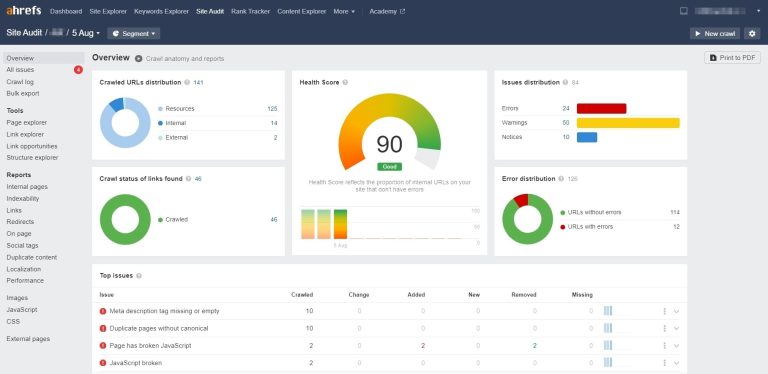
Use Google Search Console or third-party SEO tools to review hreflang implementation and catch missing or broken links early. Google also provides an official international SEO guide.
📌 Keep the user experience in mind. Multilingual SEO is not just a technical setup. It directly affects how easy it is for users in different markets to land on the right language version. A strong multilingual structure makes switching languages feel natural and supports both brand trust and conversion.
Conclusion: choose the international SEO strategy that fits your site
International SEO is more than just translating a few pages. You need the right URL structure, correct hreflang implementation, and a setup that supports both search engine understanding and user experience.
This is not a one-time task. Ongoing monitoring and optimization are what help visibility and trust grow across different countries.
If your multilingual setup still feels confusing or you want a faster way to choose the right strategy for your brand, our team can help with structure planning, hreflang setup, and ongoing SEO maintenance.
👉 Further reading:
Frequently Asked Questions
Why is multilingual URL structure important for SEO?
Multilingual URLs help search engines understand which language or region each page is meant for, reducing confusion and improving international rankings. They also help users find the right content faster.
What are the common types of multilingual URL structures?
Common structures include ccTLDs such as example.fr, subdirectories such as example.com/fr/, subdomains such as fr.example.com, and URL parameters such as example.com?lang=fr. Each option has different maintenance and SEO trade-offs.
What is hreflang?
Hreflang is an HTML attribute that tells search engines which language or region a page is intended for. It can be placed in the page head or in an XML sitemap, helping search engines show the right version to the right user.
How do language and region codes work in hreflang?
Language codes use ISO 639-1, such as en for English and fr for French. If you want to specify region, add ISO 3166-1 as well, such as en-us for US English or zh-tw for Traditional Chinese in Taiwan.
What are the best practices for multilingual SEO?
Choose a URL structure that matches your brand and resources, use self-referencing hreflang, keep titles and descriptions localized, strengthen internal linking, and check for hreflang errors regularly with Search Console or SEO tools.