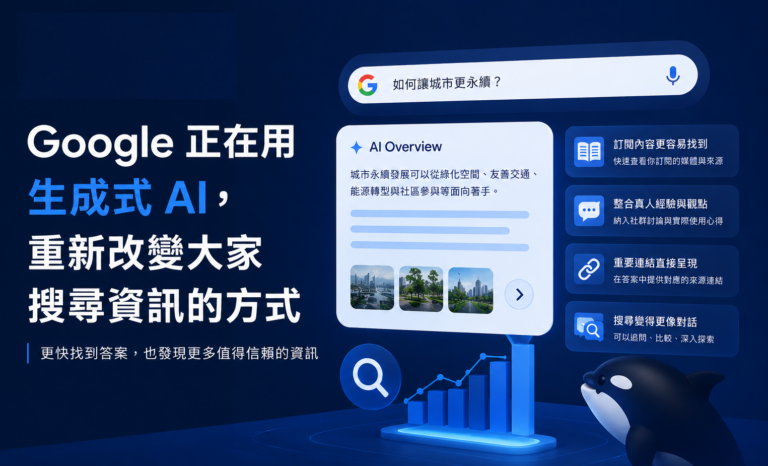
Google Search is entering a new era driven by AI! Google SGE (Search Generative Experience) provides users with a smarter, more personalized search experience through generative AI. However, this transformation could be a “ranking reshuffle” challenge for website owners and SEO strategies.
Will keyword rankings disappear? Will zero-click searches become the new normal? This article will delve into the impact of Google SGE and provide practical SEO optimization strategies to help your website remain competitive in the AI search era!
1. What is Google SGE?
Google SGE (Search Generative Experience) is a new feature where Google integrates Generative AI technology into search results, transforming search from just a traditional list of links toAI directly generating answers to help users get information faster.
Key Differences Between Google SGE and Traditional Google Search
| Item | Traditional Google Search | Google SGE |
| Search Result Presentation | Mainly blue links, allowing users to click on web pages themselves | AI directly generates summaries, providing instant answers |
| Content Source | Ranking algorithms determine rankings based on E-E-A-T principles. | AI synthesizes content from multiple websites to automatically generate the best response. |
| Interaction Method | Relies on keyword matching, resulting in more static results. | Allows for follow-up questions with AI, enhancing interactivity. |
| Applicable Search Types | Suitable for finding specific information, such as “best phone 2024”. | Suitable for answering open-ended questions, such as “How to choose the right phone?” |
| Impact on SEO Ranking | Mainly relies on page SEO and authority. | Whether content is cited in AI summaries affects visibility. |
For example, if you search for“Best Wireless Earbuds Recommendation”:
- Traditional Google Searchwill list multiple review articles, shopping websites, and YouTube videos.
- Google SGEwill directly generate an AI content snippet, synthesizing information from various websites, and even offering purchasing advice. Users might get their answers without needing to click on any links.
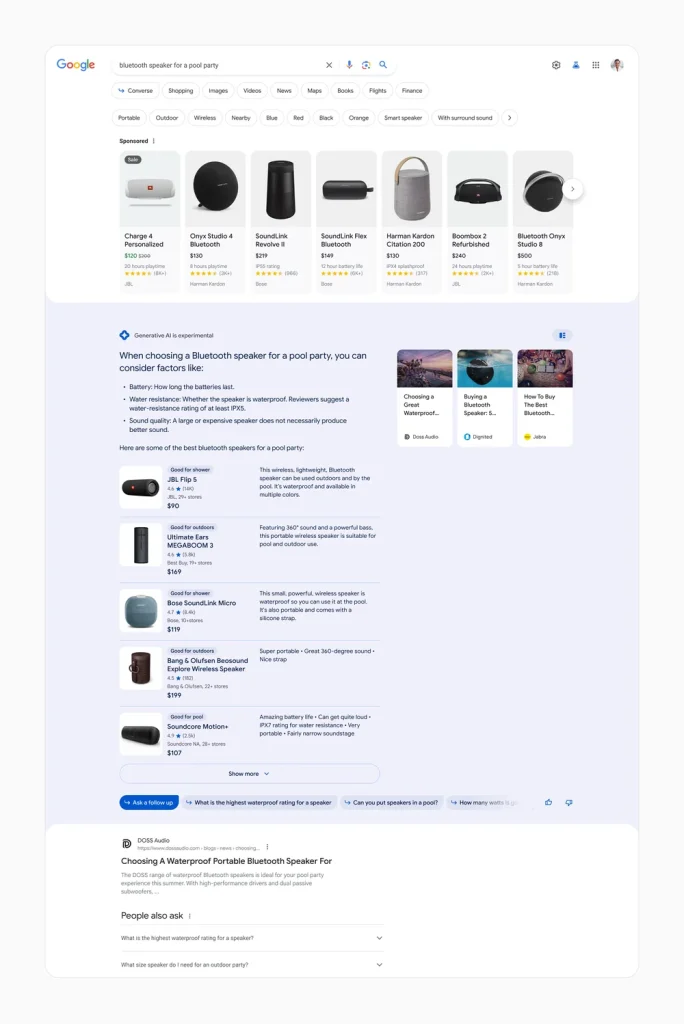
The launch of Google SGE signifies that search is entering the era of generative AI search. It’s not just an enhanced version of traditional search results, but a complete transformation of search logic and user behavior.
For websites, this means SEO strategies need to be adjusted, as websites may no longer be able to acquire traffic through “click-through rates.” Websites can no longer solely pursue rankings; instead, they must optimize content so that AI is willing to cite their information to maintain traffic and influence. In the following chapters, we will explore the impact of SGE on SEO and how to adjust strategies to adapt to this change.
Google SGE is still an experimental feature and can be enabled through Google Search Labs to turn it on.
Originally, SGE was only available to users in the US, India, and Japan with limited slots, and only supported English, Japanese, and Hindi. On November 9, 2023, Google announced that SGE would be expanded to over 120 countries, including Taiwan! After testing, if your results also show “Your account is currently unavailable,” it’s very likely that Google Search Labs is currently only open to a “limited number of people” in these countries and regions, rather than being fully open. It is expected to be gradually rolled out in the future.
II. How Does Google SGE Affect SEO?
The introduction of Google SGE means that search is no longer just about traditional link rankings, but rather about AI directly generating summary content. This has a significant impact on website traffic and SEO strategies. Here are three key changes:
Changes in search results layout, leading to a decrease in click-through rate (CTR)
AI-generated search summaries (SGE Snapshots) willdisplay complete answers directly on the results page, allowing users to get information without clicking on a website. This leads to a decrease in organic search click-through rates, especially for informational content (such as “What is SEO?”), affecting traffic sources.
Keyword strategy changes, semantic search and long-tail keywords become more important
SGE makes Google better at understanding natural language, so simple short keywords are no longer enough.Problem-oriented searches (such as “How to improve website ranking?”) and long-tail keywords will be given more importance. Website content needs to be closer to how users actually search to increase the chance of being selected by AI summaries.
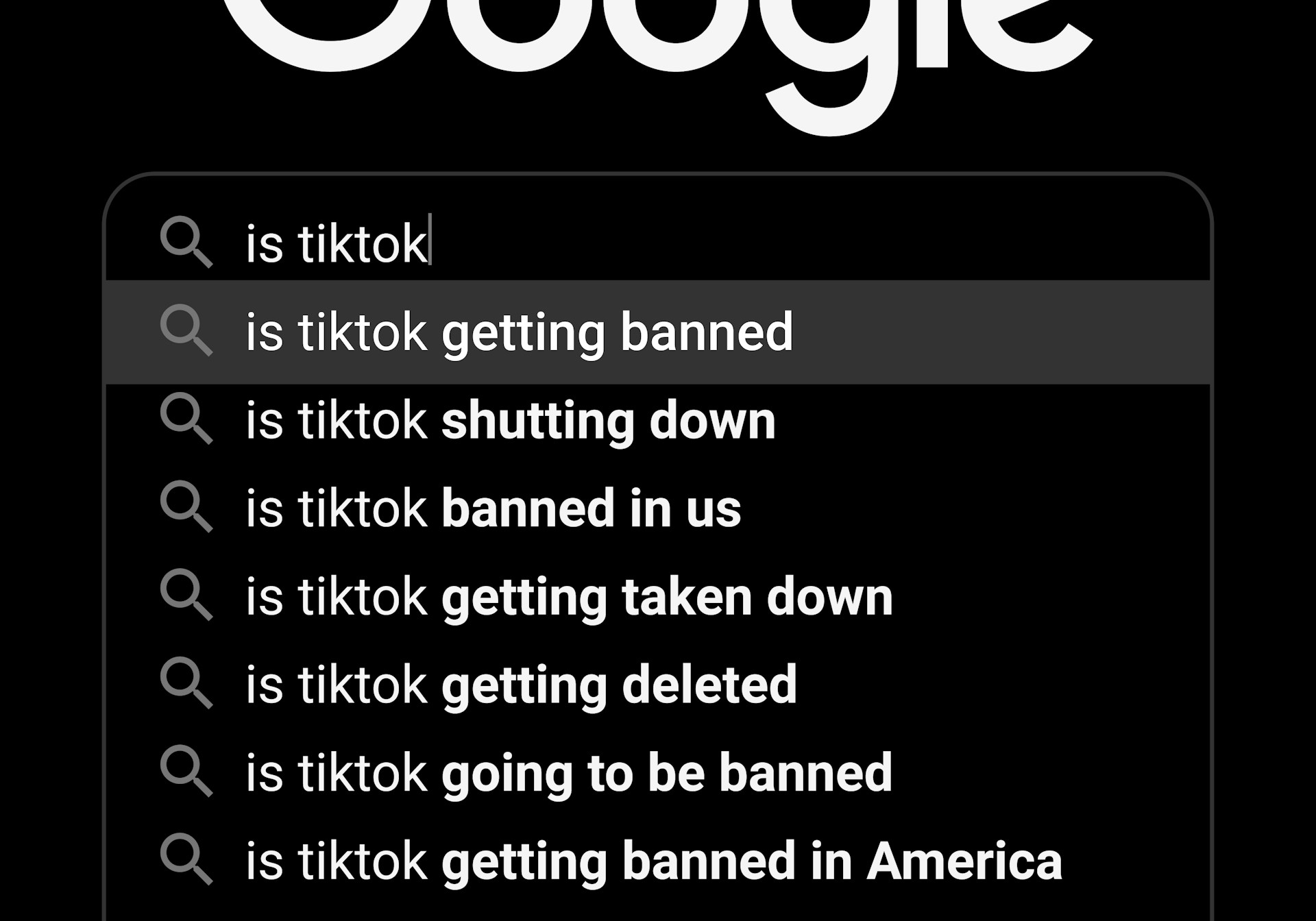
Increase in Zero-Click Searches
With the widespread adoption of AI search summaries, users are increasingly less likely to click on links within search results, instead getting answers directly on the Google page. This is a major challenge for websites that rely on SEO traffic. Therefore, content needs to be more engaging to entice users to explore further, or provide in-depth content that AI cannot fully cover, in order to remain competitive.
III. How should websites respond to Google SGE? Optimal SEO strategies
Google SGE has changed search mechanisms, and websites must adjust their SEO strategies to ensure content can be selected by AI and maintain traffic. Here are five major optimization strategies:
Create high-value content to avoid being replaced by AI summaries
SGE directly provides search summaries, reducing the chance of users clicking on websites. Therefore, website content needs to provide more in-depth analysis and value that AI cannot simply summarize to avoid being easily replaced. You can do this in your website content byEmphasizing professional insights and data analysis, such as market reports, experimental results, etc., to enhance the irreplaceability of the content. In addition,Utilize FAQs, lists, and case studies, to guide users to click and read more details.
Adjust keyword strategy, focusing on semantic search and natural language
Traditional short keywords can no longer meet modern search demands. Google SGE places more emphasis on semantic search and question-oriented content. You can achieve this byResearching “People Also Ask” questions, answering common search questions in your website content to increase the chance of being cited by AI summaries. OrOptimizing long-tail keywords(e.g., “How to Improve Website SEO Ranking?”), catering to how AI-recommended content works.
Strengthen E-E-A-T, Increase Credibility and Authority
Google SGE is more inclined to cite content with high expertise, authoritativeness, and trustworthiness (E-E-A-T). Websites need to demonstrate professionalism and reliability. Providing expert insights canadd professional bylines or cite academic sourcesto increase credibility.Strengthen Author Information and Brand Reputationis another strategy to ensure Google can identify content from reliable sources.
Optimize Content Format to Increase Visibility in AI Search Results
Clear content structure makes it easier for AI to parse, increasing the chances of exposure within SGE.Use Structured Data (Schema)to help Google understand content types, such as reviews, FAQs, product information, etc. Article content can also make good use of H2, H3 headings, tables, and paragraph breaks to make the content more layered and conform to AI analysis logic.
Internal Linking and User Experience Optimization to Improve SEO Performance
SGE may reduce direct click-through rates, making it even more crucial to increase user dwell time and website interaction. Ensure that content is interconnected,Set up internal links within articles to guide readers to explore related content in depth, increasing user dwell time on the website. Alternatively, optimize website loading speed to ensure pages open quickly, preventing users from bouncing too quickly and affecting SEO performance.
IV. Google SGE and Future SEO Trend Predictions
The launch of Google SGE signifies a new era of AI-driven search, and this transformation will continue to roll forward relentlessly, inevitably driving a generational change. Here are some important trends you should be aware of that may emerge from the integration of AI with SEO search engines:
As AI Search Continues to Develop, SEO Needs to Respond More Flexibly
AI search technology is still evolving rapidly, and future Google SGE may integrate more real-time information, personalized recommendations, and even a deeper understanding of user intent. Therefore, SEO is no longer just about ranking competition, but about how to make AI willing to cite your content, which requires more precise content strategies and technical optimization.
Zero-Click Search Will Become the New Normal
As AI directly generates answers, the proportion of users obtaining information without clicking on websites will continue to rise. This means:Traffic for purely informational content will decrease, and websites need to provide deeper value, such as detailed analysis, exclusive data, actionable guides, etc., to attract clicks. SEOgoals will shift from “ranking” to “engagement”, emphasizing how to make users interact with content, such as guiding subscriptions, downloads, or purchases through CTAs (Calls to Action).
Brand and Trustworthiness Will Become Core SEO Competencies
Google increasingly values E-E-A-T, and in the future, brand influence will directly determine whether a website can survive in the AI search era. Brand websites, official data, and content from authoritative institutions will be more easily selected by SGE than general blogs or anonymous websites. Content marketing will be inseparable from brand building; websites need to continuously create high-value content to enhance trustworthiness, rather than just relying on technical SEO.
Rise of Diverse Search: Image, Voice, Video Content More Important
AI search will no longer be limited to text. Google has already emphasized Multimodal Search, including:
- Image and Visual Search (Google Lens): Websites need to optimize image SEO, such as image ALT tags, structured data markup, etc.
- Voice Search: More natural conversational content and short, precise answers will gain an advantage.
- Video Search (YouTube SEO): Google may be more inclined to cite video content, so an SEO strategy combining YouTube and websites will be more influential.
How to adjust your brand content and make it easier for consumers to find you through diverse media, keeping up with AI changes, will be a crucial factor in the next SEO battle.
Conclusion: How to Respond to Google SGE Changes?
Google SGE is not the end of SEO, but another evolution of search algorithms. While traditional ranking strategies remain important, the key to future SEO lies in how to make AI “choose” your content. Websites need to provide more in-depth, semantically relevant content to adapt to the SGE era. Google’s AI search is still evolving, and SEO strategies also need continuous adjustment. Regularly tracking SGE updates, testing new content formats, and optimizing user experience are essential to maintain competitiveness in the AI search era.
The core of future SEO will not just be “ranking,” but how to coexist with AI search and make your content a trustworthy source of information for AI. By mastering this transformation, your website can continue to gain traffic and influence in the AI search era!
Frequently Asked Questions
What is Google SGE?
Google SGE (Search Generative Experience) is a feature that integrates generative AI into Google Search. Instead of just displaying a list of links, it uses AI to directly generate answers, allowing users to get information more quickly.
What are the differences between Google SGE and traditional search?
Traditional Google search primarily relies on blue links that users click on themselves; Google SGE, however, directly generates AI summaries and supports interactive follow-up questions, enhancing the intelligence and personalization of search.
How will Google SGE affect SEO?
SGE will lead to a decrease in organic search click-through rates, making long-tail and semantic keywords more important, and increasing zero-click searches. Websites will need to adjust their strategies to ensure their content can be cited by AI to maintain traffic and visibility.
How should websites respond to Google SGE?
Best practices include: creating in-depth content to avoid being replaced by summaries; focusing on semantic search and long-tail keywords; strengthening E-E-A-T to enhance authority; optimizing structured data and formatting; and improving SEO effectiveness through internal linking and a good user experience.
What are the future SEO trends with Google SGE?
Future SEO will shift from “ranking” to “engagement,” with brand trust and expertise (E-E-A-T) becoming core competencies. Additionally, multimodal search (images, voice, video) will become more important, and websites will need to diversify content types to remain competitive.